
Here is a new blog post from a guest author contributing to Lang’s Home Remodeling’s website. All views expressed are those of the author.
Maximizing storage in period homes presents a clear challenge. These properties were never planned for modern kitchens or storage demands. Original layouts often lack sufficient cabinets, leaving homeowners short on space. The aim is to improve function without erasing history. Storage solutions must respect original architecture and materials.
Period details bring value and identity to the home, and poor planning can damage these elements or disrupt balance. Thoughtful kitchen design allows storage to grow while preserving character. A carefully planned kitchen can support daily living and heritage together.
Storage should feel built in and intentional, and when done well, maximizing storage strengthens both comfort and authenticity.
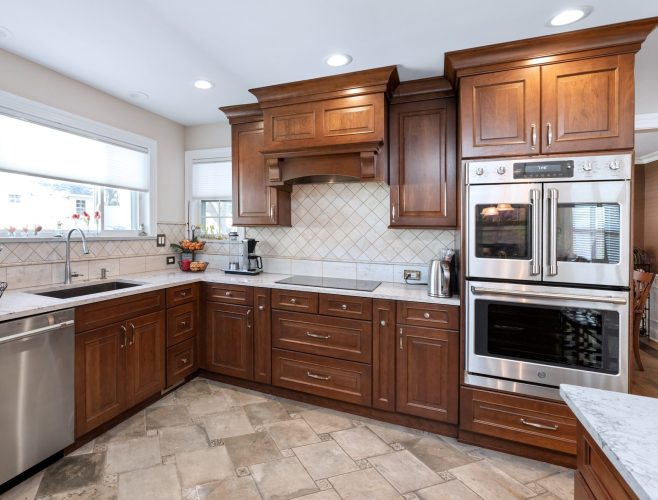
Understanding the Character of Period Homes
Period homes bring strong character, but that character defines how storage can work. Kitchens in these properties were built for different routines. Cooking was simpler, and storage needs were modest. As a result, space often feels limited today. Understanding the original intent of the room is the first step to improving it.
Common features shape every design decision. Alcoves sit beside fireplaces and break up wall space. Chimney breasts project into the room and limit options for continuous cabinetry. High ceilings offer volume but can feel empty without careful planning. Uneven walls and floors add further challenges. These traits require flexible thinking rather than rigid layouts.
Standard storage solutions rarely succeed here. Fixed sizes leave gaps that collect dust rather than serving as usable storage space. Fillers interrupt visual flow and feel like shortcuts. Doors may clash with mouldings or window frames. These problems arise because the building was never designed for modern cabinetry.
Working with the structure avoids these issues. Storage should follow existing lines and proportions of every room. When design responds to the building, the kitchen feels intentional rather than forced.
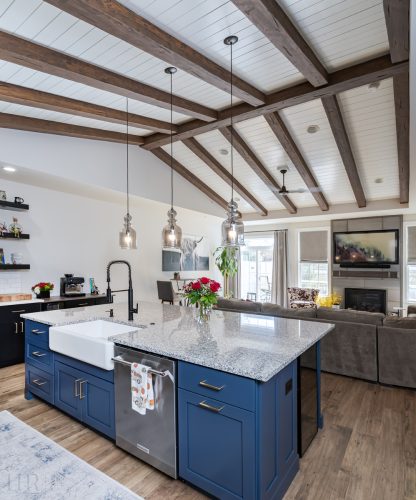
Bespoke Cabinetry as the Foundation of Smart Storage
Made to measure cabinetry forms the backbone of maximizing storage in period homes, since every wall and corner can be measured precisely. This approach removes wasted space and avoids awkward gaps. Storage becomes purposeful rather than patched together.
Custom depths and heights allow cabinets to fit where standard units cannot. Shallow cabinets suit tight areas, taller units take advantage of ceiling height, and internal layouts adapt to real storage needs. With a custom cabinet design, every inch serves a function.
Internal fittings make a major difference. Deep drawers replace hard to reach cabinets, pull-out shelves improve access in narrow spaces, and corner solutions work with angles instead of hiding them. Storage becomes easier to use every day.
Modern mechanisms can be concealed behind a more traditional exterior to fit your home’s style. Soft closing systems improve comfort without visual change, and pull-out storage hides behind classic paneled doors. The result feels familiar yet efficient, where old and new work together without tension.
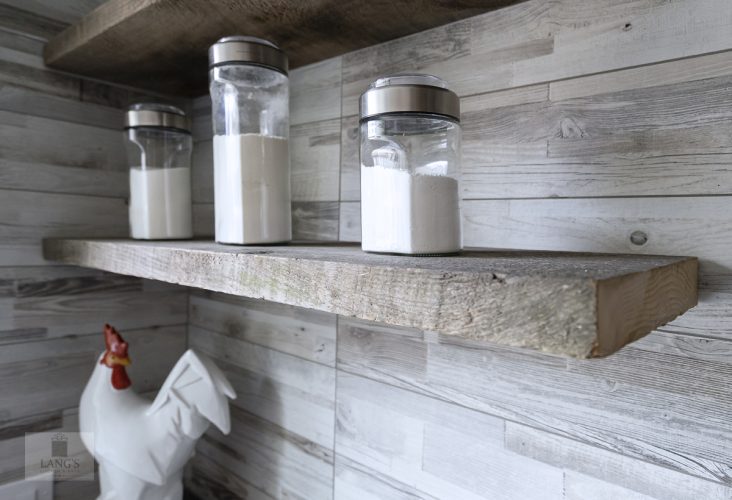
Making Use of Awkward and Underutilized Spaces
Older homes often hide valuable storage opportunities. Alcoves, recesses, and leftover corners are common. These areas may appear challenging, but with careful planning, they become some of the most useful parts of the kitchen.
Under stairs spaces often go unused in period homes. Knowing how to maximize space with under stairs storage can transform daily living. Drawers, cupboards, or pantry units fit neatly beneath staircases, so utilizing this overlooked area reduces pressure on the main kitchen space.
Alcoves work well for tall cabinets or pantry storage. Their depth often suits shelving or pull-out systems. Framing them correctly helps them feel intentional, and rather than breaking up the layout, they strengthen it.
Chimney breasts should guide storage placement. Cabinetry can wrap around them without hiding their form, and shallow cupboards or open shelving work well here. This keeps the chimney feature visible while improving function.
Vertical space also deserves attention. Tall cabinets can extend your storage up without overpowering the room when proportions feel right. Aligning heights with windows or cornices keeps balance.
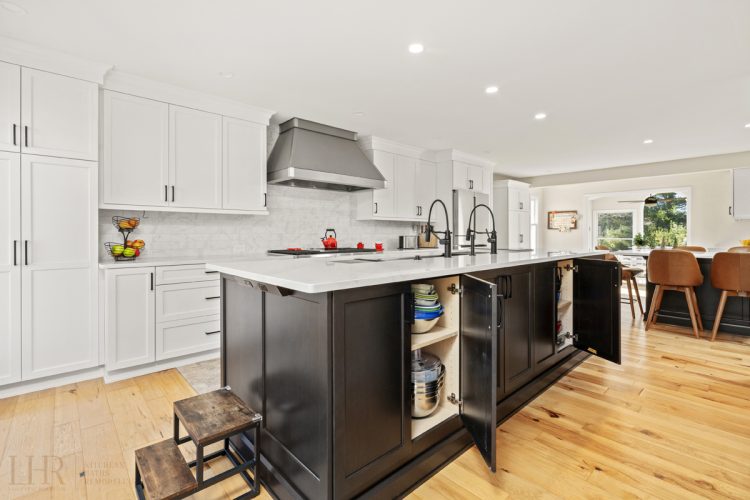
Hidden Storage That Preserves Visual Simplicity
Hidden storage creates calm, uncluttered interiors. Concealed pantries sit behind full height doors, while pull-out pantry storage hides within narrow cabinets. Internal drawers sit behind single fronts, keeping lines clean. Appliances need careful organization if you want an accessible kitchen.
By placing fridges and dishwashers behind matching panels and positioning ovens within classic surrounds, you avoid giving the room a mixed era appearance.
Clean sightlines support a traditional style with storage that works harder behind the scenes. The result is a kitchen design that feels settled rather than busy.
Blending Traditional Materials with Modern Functionality
Material choice sets the tone for your kitchen’s style. Solid wood suits period settings well, while painted finishes soften a wall of cabinetry. Natural stone for work surfaces adds depth to your room’s style.
Modern hardware must stay discreet to fit the style of a period home. Hide hinges and runners from view, and choose handles that reflect period shapes and sizes. Function improves without changing the look, prioritizing durability and ease of use with finishes that handle daily wear and clean easily. Historical accuracy means little if the kitchen frustrates users.
Storage Solutions Beyond the Kitchen
Storage should connect with nearby spaces. Sculleries and specialized storage extend kitchen function beyond the primary kitchen layout. They handle bulk storage and mess, and keep the main kitchen calm. Design consistency matters across rooms, so choose cabinet styles and finishes that relate to each other. Transitions between these spaces must feel smooth rather than forced, where each space supports the next.
Long-term flexibility deserves attention. Households change over time, and storage layouts should adapt without major renovation work. Adjustable shelves and clear layouts help support future needs.
The Value of Expert Design for Period Properties
Experience with heritage homes makes a real difference. Work with designers who understand old construction methods and anticipate hidden issues before work starts. That knowledge saves time and protects your home.
Planning and installation processes differ in older buildings. Walls need to be checked and may need correction, and older floors may slope. Installers must be able to adjust on site with care. Conservation rules may apply to a period home, and listed buildings demand sensitive changes.
Skilled designers understand how to work within these limits, and approvals are easier to get for your proposed changes when your plans respect the home’s history.
Maximizing Storage In Period Homes Without Losing Character
Maximizing storage in period homes should always enhance the property rather than compromise it. Well planned storage improves daily use while keeping original features intact. The goal is balance, where practicality supports the home’s character. Thoughtful design respects the building’s history while meeting modern needs.
Storage works quietly in the background, allowing the architecture to remain the focus. Contact Lang’s Home Remodeling to discuss remodeling your historic Bucks County home!