
Here is a new blog post from a guest author contributing to Lang’s Home Remodeling’s website. All views expressed are those of the author.
Moving into an older home offers character, history, and charm. But these homes often lack the modern conveniences today’s kitchens need. Before unpacking boxes, take time to review the kitchen’s layout, electrical system, and storage. After moving into a home with an outdated kitchen, look for ways to preserve classic elements while improving function.
A balance of old and new creates a warm, functional space that suits daily life. Whether the home has a retro stove or antique cabinets, you can keep its charm while making smart updates. This article explores practical steps for combining vintage features with a remodeled kitchen.
How to Create Vintage Charm
Vintage charm in a home comes from elements that reflect history, craftsmanship, and timeless style. Original woodwork, such as solid wood cabinets, trim, and flooring with natural grain and an aged patina, gives a rich and authentic look.
Classic fixtures like porcelain sinks, brass or bronze faucets, and vintage-style lighting add character and a sense of tradition. Architectural details, including crown molding, wainscoting, built-in shelves, and decorative tile patterns, provide depth and texture to the space.
Unique materials such as natural stone countertops, subway tiles, and exposed brick walls offer tactile beauty and visual interest. Soft, muted colors like warm neutrals, pastels, and earth tones create a cozy atmosphere that feels inviting and timeless.
Handcrafted elements, including built-in furniture, stained glass, or carefully made hardware, showcase skill and quality not often found in modern mass-produced pieces.
Make a Layout That Works For You
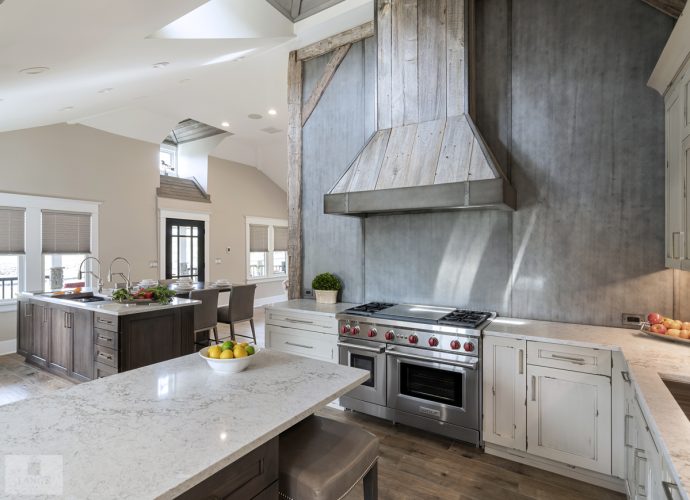
To use the best of older layouts, start by identifying which existing features work well and support your current needs. Many older kitchens were designed for efficiency in small spaces, so you may find that certain elements—like a compact work triangle or built-in storage—are still useful. Here’s how to get the most out of an older layout:
- Keep the Efficient Work Zones
If the existing sink, stove, and fridge form a natural triangle, keep that layout. It’s often more functional than you think. Minor tweaks like adjusting cabinet placement can make it even better. - Highlight Built-in Storage
Older homes often include deep drawers, tall cupboards, or niche storage. Restore or update storage options with new hardware, soft-close mechanisms, or interior organizers. - Preserve Solid Craftsmanship
Cabinet frames and woodwork in older homes are usually of high quality. Repaint or refinish them instead of replacing them. This saves money and keeps the original charm. You can also add new cabinets that complement the existing storage as part of your new kitchen design. - Use Existing Wall Divisions
Instead of tearing down walls, consider how existing divisions can serve new functions, such as a pantry, coffee nook, or hidden appliance garage.
Upgrade Without Losing Character
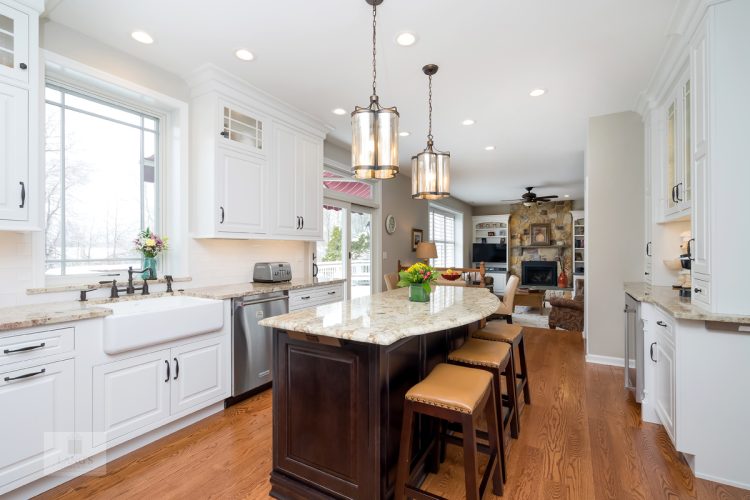
If you are not planning a full kitchen remodel, there are many ways you can update a vintage kitchen’s existing elements to keep its character while improving functionality. Keep original features that work. A farmhouse sink might just need cleaning or minor repairs. Swap old hardware for clean, modern handles that fit the home’s age.
Keep any tile work that is in good shape, but pair it with neutral wall paint to avoid a dated look. Choose a color palette that blends soft tones with rich wood or metal details. Add modern elements through lighting, appliances, and faucets.
Under-cabinet lighting and induction cooktops offer modern functions without drawing attention away from vintage charm. Focus on upgrades that increase usability without changing the room’s character. To make sure updates are installed correctly, call remodeling experts. Your kitchen will be in good hands with experienced workers.
Choose Modern Appliances with a Subtle Look
New appliances improve efficiency and safety, but they don’t have to overpower the kitchen. Look for models in neutral shades or panel-ready options that blend with cabinetry. Slimline dishwashers or counter-depth fridges save space while keeping a clean profile.
Avoid glossy or bold-colored finishes that distract from the rest of the room—place appliances where they don’t block sight lines or crowd the space. You can also hide microwaves in lower cabinets or appliance garages. If the kitchen is small, consider combination appliances like a convection-microwave oven or multi-cookers to save counter space.
How to Pack and Store Appliances During the Move
Learn the right way of packing appliances for the move and save them from damage. Unplug each appliance at least 24 hours before moving them to allow it to cool and dry—clean all surfaces, including hidden trays or filters. Tape doors shut and wrap cords to prevent damage. Use original packaging if you still have it, or wrap each item with thick padding.
Large appliances like fridges or ovens should be moved upright and secured with straps. Label each box clearly and mark it as fragile. This ensures your appliances stay in good shape and are ready for use once you remodel your new kitchen.
Updating the Flooring
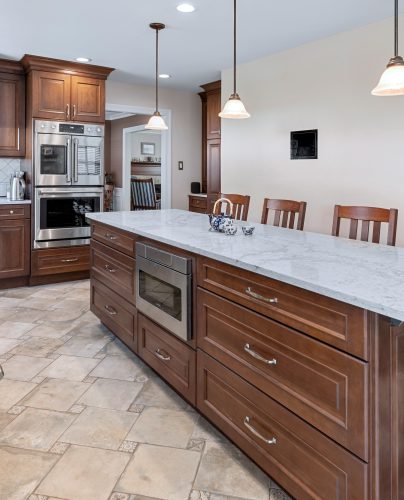
When updating your kitchen flooring, avoid key mistakes and choose materials that suit your home’s character and daily use. First, prepare the subfloor properly—clean, level, and free of moisture—to support a smooth finish without bumps. Add the right transitions between rooms to maintain a cohesive flow.
Choose durable, water-resistant flooring types such as porcelain, vinyl, or sealed hardwood, especially in high-traffic and spill-prone areas. Check moisture levels before installation and address any dampness to prevent warping. Finally, invest in professional installation when needed to avoid uneven floors or visible errors.
By choosing the right material and right people to update your kitchen flooring, you protect your investment and ensure the new floor blends seamlessly and lasts longer.
Boost Storage with Smart Additions
Storage is often limited in older homes. Add space with pull-out drawers, vertical racks, or floating shelves. Utilize organizers inside drawers and cabinets to maximize every inch. Consider installing a pot rack above an island or a wall-mounted spice rack. Extend cabinets to the ceiling if space allows, or use baskets and bins for open storage.
Look for gaps where custom shelving can fit. A small pantry or rolling cart can offer flexible storage for dry goods and utensils. Choose solutions that are simple and easy to maintain, so the kitchen stays tidy without extra effort.
Mix Materials for a Balanced Look
Combining materials adds interest and helps blend styles: pair quartz or solid-surface worktops with natural wood cabinets. Use stainless steel or matte black fixtures for a clean, modern contrast. Brick or tile backsplashes add texture and history to the space. Suppose you keep original wood flooring, seal and polish it for durability.
Mix vintage pieces like a butcher block table with modern stools. This approach ties old and new elements together, making the room feel unified. Be mindful of color tones. Stick with a few consistent shades to avoid clashing or making the room feel too busy.
In the end: What to Keep After the Move?
Before moving into an older home, look for features worth preserving. Solid wood cabinets, vintage tile, farmhouse sinks, or original light fixtures often bring both quality and charm. These elements can be cleaned, refinished, or lightly restored to match your style. If the existing layout supports a good workflow, there’s no need to change it.
Built-in shelves or unique trim details also add character that’s hard to replicate. By keeping what works and what adds visual warmth, you retain the personality that made you love the home in the first place.
What to Update After the Move?
Once the essentials are in place, focus your updates on function and safety. Replace old wiring, worn flooring, or dated appliances that can’t meet modern needs. Install energy-saving lights, smart outlets, or better storage solutions.
Updating countertops, faucets, or hardware can instantly lift the space without major renovations, or you can choose to enhance storage by adding cabinets to your design. Use these changes to improve your daily routine while keeping the kitchen’s original charm intact. Thoughtful updates help the space feel both lived-in and refreshed.
Don’t Forget Safety and Efficiency When Moving Into an Older Home
Older homes may have outdated wiring or plumbing. Before installing new appliances or lighting, have an electrician inspect the wiring. Upgrade outlets to meet modern codes and support today’s energy loads. Install GFCI outlets near sinks to prevent shocks. Insulate walls and windows if the kitchen feels drafty.
LED lighting uses less energy and adds brightness. Smart thermostats or light timers can help reduce utility costs. If the plumbing is old, consider replacing pipes under sinks to avoid leaks. These changes protect the home’s value and ensure your kitchen works safely and efficiently every day.
Conclusion: Make Your Older Home Work for You
Moving into an older home means balancing charm with modern comfort. A smart kitchen makeover can keep classic details while improving how the space functions. Focus on layout, storage, and safe upgrades with trustworthy professionals. Choose appliances and finishes that enhance rather than replace the home’s character.
Thoughtful planning makes the kitchen a space you’ll enjoy daily, without losing its timeless feel. Whether you’re restoring or redesigning, aim for a kitchen that meets your needs while honoring the home’s past.