
Here is a new blog post from a guest author contributing to Lang’s Home Remodeling’s website. All views expressed are those of the author.
Open shelving has quickly become a rising trend in modern kitchen design, offering both style and practicality. Many homeowners choose it to create airiness and keep everyday items within reach. Open shelving in a new kitchen also provides a chance to display favorite pieces in a way that feels personal and stylish.
Glasses, plates, or bowls look inviting when displayed neatly, while decorative accents add personality.
Shelving also helps a kitchen feel more open compared to only relying on heavy cabinets. On the other hand, shelves can easily look cluttered without thoughtful organization. Styling decisions should balance function and appearance. The right approach ensures shelves stay inviting without overwhelming the space.
Open Shelving in a New Kitchen
Designing a fresh kitchen means making choices that balance style and practicality, and open shelving delivers both. It creates space for everyday dishes, mugs, and glassware while keeping them visible and accessible. The shelves reduce heaviness from closed cabinets and bring an airy, modern feel to the room.
Still, clutter can build quickly without careful planning. With this in mind, you should balance function and appearance when organizing your kitchen shelves. You can group items that match in color or material and keep these groupings neat. Add interest with wood accents, glass jars, or ceramics for texture.
A few decorative details, such as plants or artwork, introduce personality. The right mix of order and style keeps shelves purposeful yet attractive.
Start With Unpacking: A Fresh Canvas
Unpacking sets the tone for how your kitchen will function and look. Start slowly, editing down plates, mugs, and glasses to only the ones you use daily, and have a reliable unpacking guide when moving into a new place to keep you on track.
The process of settling into your new place should include removing duplicates and setting aside items that don’t match your vision. Open shelving in a new kitchen highlights every dish, so fewer pieces create more impact.
Group similar items neatly and avoid rushing to fill every shelf. Keep meaningful objects to place on open shelves if they serve both style and function, while designating extra items to be stored or donated to maintain balance. A thoughtful start during unpacking creates a foundation for shelves that remain organized and stylish.
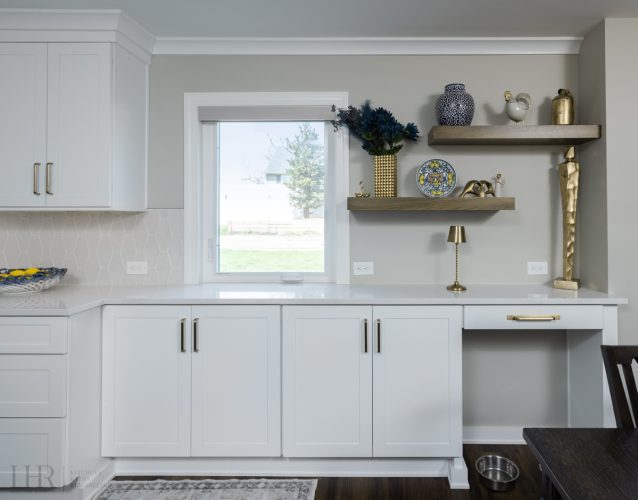
Choose Everyday Essentials as the Base
Daily essentials create a strong foundation for shelves. Plates, bowls, and glasses should be within easy reach, ready for constant use. They bring practicality to a design while reducing the chance of unused clutter. Choosing everyday items as the base keeps the space functional.
You don’t need to overfill shelves to make them useful. Focus on neat stacks of plates or rows of matching glasses, which creates uniformity without effort. Once essentials are in place, decorative accents can follow naturally.
Shelves work best when they balance purpose and style. Think of everyday items as anchors that hold the look together and should stay on display.
Mix Decorative and Functional Pieces
Open shelves look inviting when function and decoration share space. Stack dishes neatly, then add items like plants or jars for character. Cookbooks can also work, but limit the number to avoid crowding. Ceramics or wood accents add warmth without overwhelming. Too many decorative items take away from the practical side, so aim for a ratio where useful items dominate, and extras highlight the arrangement.
Small bowls or clear containers can double as storage space and a display. Every item should serve a purpose, whether practical or visual. Above all, keep scale in check so shelves never look packed. A curated mix tells a story while keeping the kitchen ready for use.
Create Balance With Negative Space
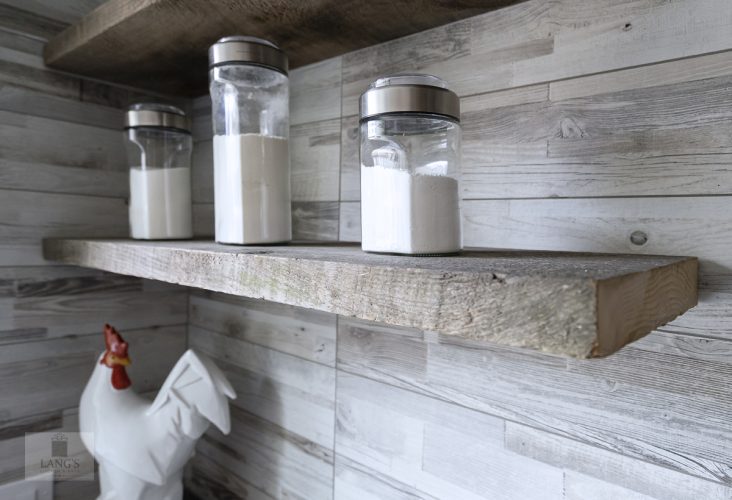
Empty space carries just as much weight as displayed items. Without negative space, shelves may feel chaotic or cramped. By leaving gaps between stacks or decorative touches, you allow each piece to stand out. This creates rhythm and helps the eye rest. On the other hand, too much space makes shelves appear unfinished.
Balance comes from careful spacing and repetition of shapes. Use clusters of three for visual stability, then offset them with open areas. Creating balance through space makes the design calm and intentional. Every shelf benefits when display choices consider both objects and the air around them.
Work With Color and Material Harmony
Color and material harmony guide how shelves look as a whole. White plates paired with clear glassware create cohesion without effort. Wooden bowls or boards add warmth, while ceramics bring natural texture. Repeating tones across shelves makes displays appear coordinated.
Choose a palette that complements walls, counters, and cabinets. In contrast, random colors can distract from the overall design, so leave out pieces that clash or dominate. Glass jars filled with grains or spices can add subtle interest while matching the kitchen’s theme. Similarly, using metals like brass or stainless steel adds shine and polish.
Open shelving in a new kitchen thrives when color and material choices feel deliberate.
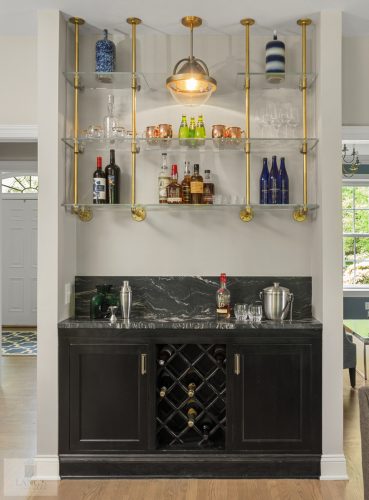
Style With Layers and Height Variation
Layers and varied heights add depth to shelves. Stack plates, lean cutting boards, and position taller vases for contrast. The mix keeps the look dynamic without appearing busy. Flat rows of items lack energy, while height variation adds flow. Grouping taller and shorter pieces makes the arrangement natural.
With this in mind, stagger items instead of lining them up perfectly. A relaxed approach looks intentional without feeling rigid, but uneven stacks or too much variation can cause imbalance, so keep groupings consistent in size and tone. Styling with depth creates a polished look that draws the eye across shelves. Layers ensure displays feel complete while keeping functionality within easy reach.
Rotate Items Seasonally to Refresh Your Look
Refreshing shelves seasonally keeps the kitchen interesting without extra cost. In colder months, mugs and cozy dishes make sense. During summer, lighter glassware and jars feel right. Rotation creates variety while using what you already own. Swap items in and out instead of adding new pieces each season. However, don’t overfill when changing displays.
A simple switch keeps the space clean yet refreshed. Rotation also gives you reason to edit often and reduce clutter. Seasonal colors or accents, like a pumpkin or citrus bowl, can highlight the time of year. This method makes shelves flexible while preserving balance. Style shifts stay fresh without overwhelming the kitchen.
Keep Maintenance Simple and Practical
Open shelves need ongoing care to stay stylish. Dust builds quickly, so wipe surfaces weekly. Stack dishes neatly after washing and rotate glassware to keep it looking fresh.
Try to create a habit of editing shelves regularly. Remove anything unused and keep arrangements consistent. At the same time, don’t obsess over perfection, because a lived-in kitchen should still feel welcoming. Maintenance means changing small habits, not constant restyling. Wiping jars, reorganizing stacks, and checking for clutter once a week works best.
Practical upkeep makes the space easy to enjoy while staying attractive. Above all, shelves serve you daily, so they should stay functional first and stylish second.
Practical Takeaways for Creating Shelves That Always Feel Organized
Open shelving in a new kitchen creates balance between function and style. With thoughtful choices, shelves stay practical and stylish every day. Smart organization, seasonal updates, and regular care prevent clutter. In short, open shelving transforms kitchens into welcoming spaces that feel both modern and useful without overwhelming the design.