
Kitchen cabinets are the building blocks of any kitchen design. No matter the size or style of your kitchen, cabinetry sets the tone for your kitchen’s aesthetic and forms the foundation of your layout. This is why kitchen designs often start with selecting cabinetry and then building other design elements, like countertops, backsplash, and accessories, around the cabinets.
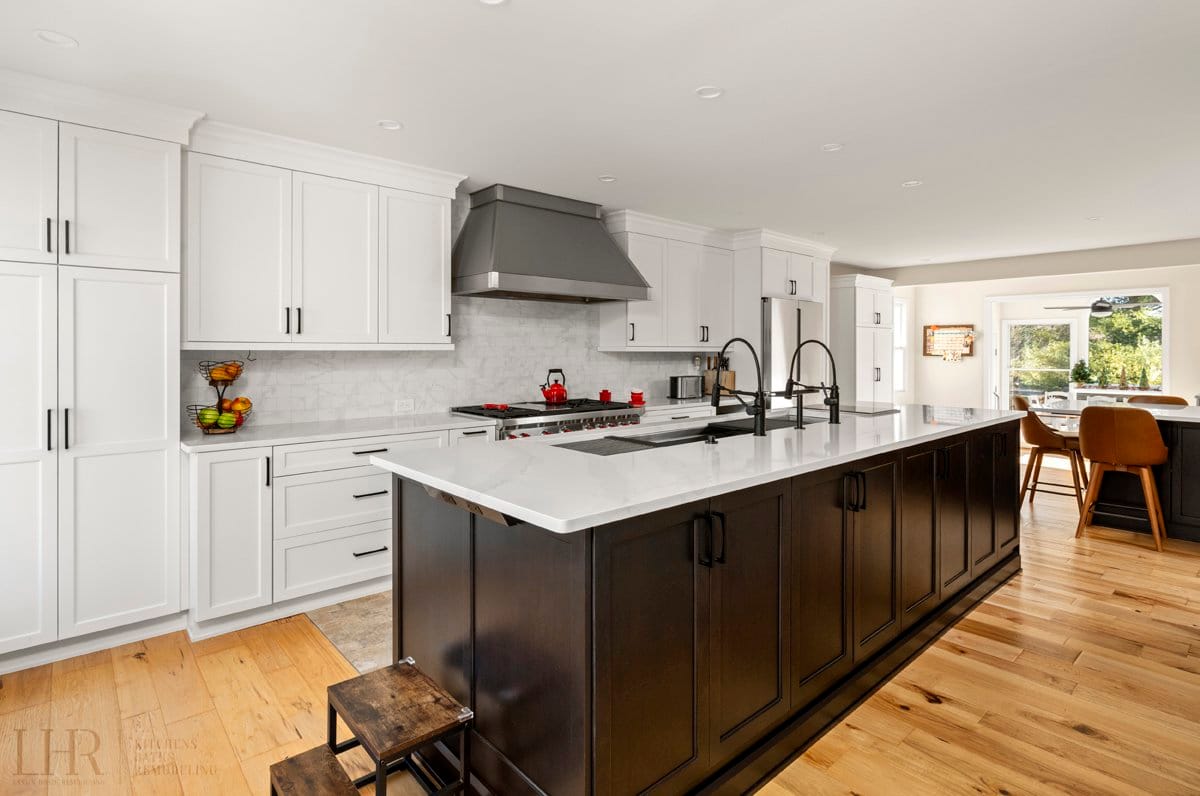
There are several key factors to consider when choosing cabinets for your kitchen remodel. You must first assess your space and your needs, then look at your preferred style, and factor in your available budget. Cabinets also must work together with surrounding design features.
Once you select cabinet options, look at how they will work together with other elements of your design to create a cohesive style and efficient layout.
Are you hoping to remodel your kitchen in 2025? We are here to help you get started by exploring everything you need to know when choosing kitchen cabinets. You can also visit our online design gallery for inspiration, and contact our team to schedule an appointment to plan your new kitchen!
Assess Your Kitchen’s Needs
Before making any updates to your kitchen design you must first assess your needs and look at your existing kitchen. What do you like about your kitchen, and more importantly, what do you want to change? Think about who uses your kitchen, how you use it, and how frequently:

Examine your family, who lives in your home, your lifestyle, and how frequently you host visitors and entertain.
Consider your cooking style and storage habits. For example, do you like to bulk shop and keep a ready supply of everyone’s favorite snacks and ingredients? Or do you prefer to keep fewer items in the house and instead shop several times a week?
Do you like to have everything available at your fingertips? Or would you rather have a walk-in pantry for storage and only keep essentials in your main kitchen cabinet layout?
What items do you use frequently like pots, pans, spices, and pantry goods?
Your answers to these questions and more will help you create a kitchen cabinet design that is targeted to fit your requirements and enhance your family’s home life. Once you understand your needs, think about your kitchen layout and workflow.
You can create a layout that works within your existing kitchen’s structure or choose to extend your kitchen footprint. If you need to expand, work with an experienced design and remodeling team to figure out the best way to accomplish your goals.
You could move or remove an internal wall, move your kitchen to another area of your home, or bump out an external wall.
When planning your cabinet layout, think about how you want to use your space, how much workspace and storage you need, and what other activities you plan for your kitchen. Start with your work triangle, which includes the sink, stove, and refrigerator.
Then plan zones for your kitchen including food preparation, serving, dining, clean up, study or work, and more. Create a cabinet layout that maximizes your available space and establishes an efficient workflow in your kitchen. You will thank yourself when you are busy preparing dinner or hosting friends in your new kitchen!

Cabinet Construction Methods
While you may be focused on the look and feel of your cabinets, it helps to first understand the difference in cabinet construction methods. The two key categories are framed and frameless cabinets, and while each offers durability and a quality structure, they bring a different look to your kitchen design.
Framed Cabinets: this construction method is the more traditional type of cabinet construction that is manufactured in the USA. It has a framed cabinet face with the doors and drawers set against a visible frame. They are easier to install than frameless cabinets but can limit access to the interior space due to the frame. Framed cabinets typically evoke a more traditional, handmade cabinet style.
Frameless Cabinets: this cabinet style is associated with European cabinet construction and offers a sleeker, more modern look. They have no face frame, so the cabinet door is installed directly onto the cabinet box, which allows full access to the cabinet interiors. Frameless cabinets are typically associated with modern or contemporary kitchen designs.
Choose the Right Cabinet Door Style
The next step is to select your cabinet door style. There are many popular styles for cabinet doors, and which one is right for you depends on your home’s style and your maintenance preferences. Doors with a sleeker style are generally easier to maintain since they have fewer decorative details and crevices to clean around. Some of the most popular door styles include:
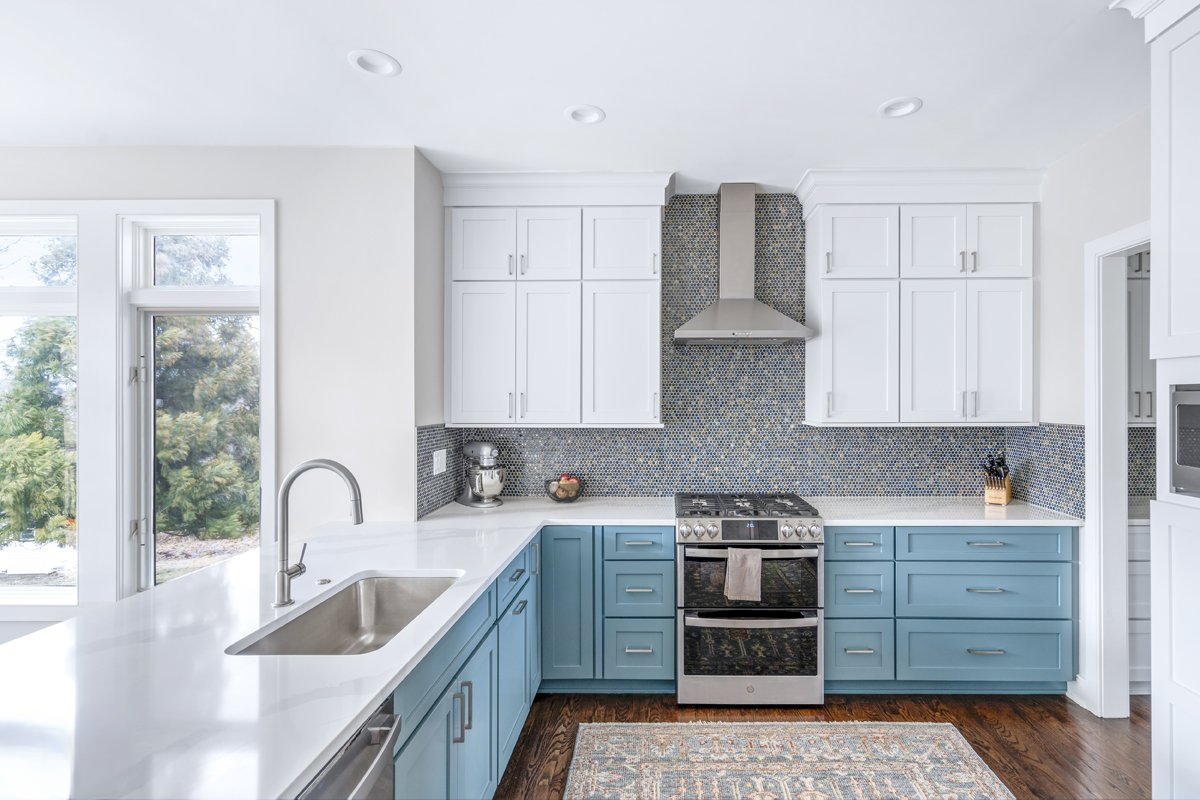
Shaker doors have a clean, simple look with solid construction and a timeless style that remains one of the most sought-after cabinet styles.
Raised panel cabinets are a more traditional-looking cabinet style, with a raised center panel surrounded by a raised frame.
Recessed panel cabinets are similar to raised panel except that the center panel is recessed, giving it a simpler, more transitional style.
Flat panel or slab doors are the sleekest, most modern option with a flat door that has no frame or embellishment, making it a simple option to clean and maintain.
Other options include beadboard panels, glass front cabinets, and mullion doors.
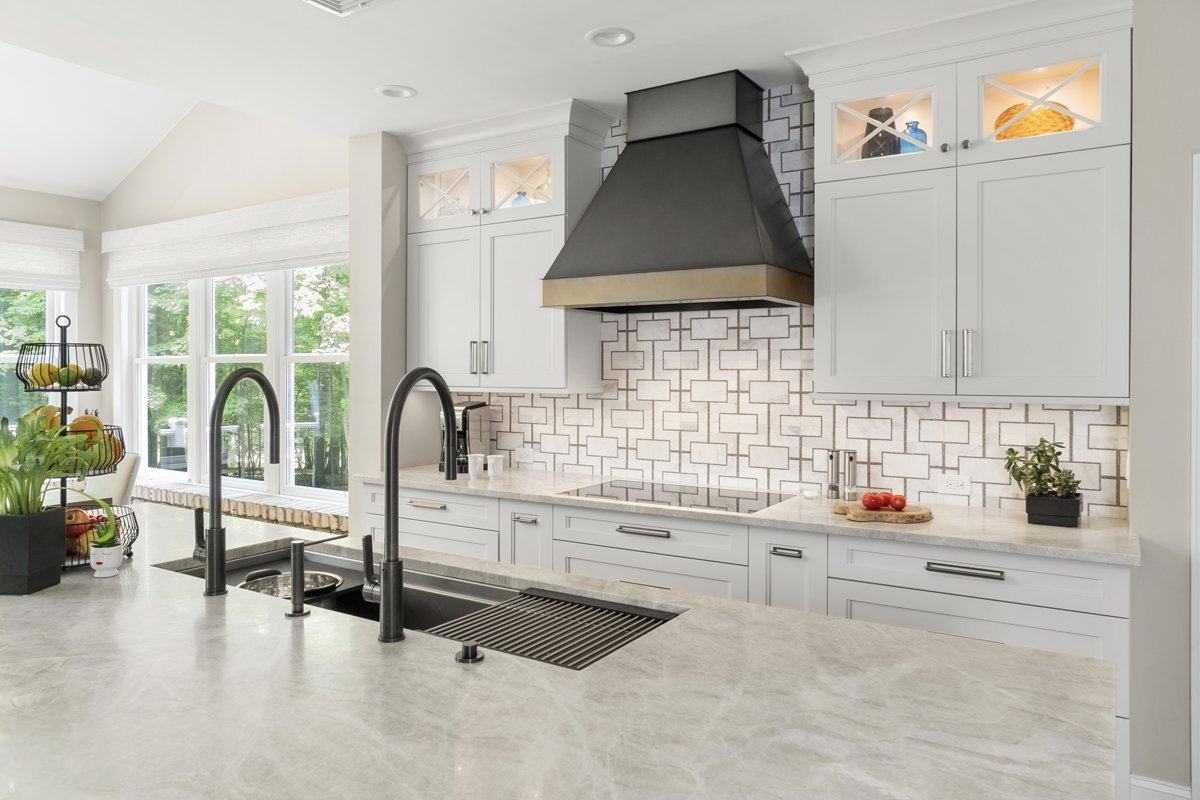
Some homeowners opt to mix glass front or mullion doors with standard Shaker or recessed panel cabinets, to create a visually appealing design that has more depth. Glass front cabinets can also include in-cabinet lighting, which instantly transforms them into space to display decorative dishes and glassware.
Pick the Perfect Finish and Color
Now that you know your preferred door style you can start thinking about a cabinet finish that will set the tone for your kitchen’s style. Will you go for a painted or stained finish? Do you want a matte or glossy look for your cabinets? Or do you prefer to stick to natural wood or a more rustic finish?
Choose a finish that fits your home’s style and that you will be happy to live with every day for the lifetime of your kitchen design.
If you are going for a stained finish, select quality wood cabinets that let the wood grain take center stage. For painted cabinets, you can look to the latest trends or go for a timeless choice by selecting a classic neutral.
Make sure you choose a cabinet color you love because it will cover a large surface area in your kitchen design and will not be easily changed. Some of the latest trends include blues and greens, natural wood tones, and sophisticated black, while classics like white, gray, and cream are always a top choice.
The Finishing Touch
Your cabinet selection must fit together with other design features. Once you have selected your cabinet style and finish, you can coordinate it with countertops, backsplash, flooring, and plumbing fixtures. Choose materials that work together to create the look you want for your kitchen design.
Cabinet hardware, including knobs, pulls, and hinges, is the finishing touch in your kitchen cabinet design. They serve an essential purpose in making it easy to open your cabinets and access the contents. From a design standpoint, think of hardware for cabinetry like accessorizing a favorite outfit.
Your outfit wouldn’t feel complete without the right shoes or belt and would lack sparkle without some jewelry to finish it off. The same can be said of your cabinets! Choose from a range of materials, styles, and finishes for hardware that beautifully accents your cabinet design.

Consider Organizational Features
What happens inside your cabinets is just as important as the cabinet surface and construction techniques. Storage features keep your kitchen design organized, clutter-free, and running efficiently. Include a variety of customized storage solutions throughout your cabinet design that are catered to your individual needs.
From pull-outs to rollout shelves, lazy Susans, swing-out shelves, and built-in drawer organizers, storage features will transform how you use your kitchen. Some cabinets even include built-in outlets or charging stations for your electronics.
Determine Your Budget
New kitchen cabinets are an investment that enhances your home’s style and functionality. When planning a full kitchen remodel, your cabinets typically take up about 35 – 45% of your remodeling budget. The cost can vary depending on whether you choose custom or semi-custom cabinets, the cabinet material, and the finishing details.
Like many elements of your kitchen design, it pays to choose the best quality you can afford, especially if you plan to remain in your home.
Plan for the Long Term
By future-proofing your design, you will ensure your cabinet selection fits your needs for the lifespan of your new kitchen. This means you must plan for your personal needs and family dynamics, such as a growing family with young children or aging in place.
Look also at the cleaning and maintenance requirements for your cabinet choice and make sure you are happy to stick with this routine. If you are someone who struggles to find the time to keep up with maintenance then go for a simple door style in a finish that wears well and can be easily wiped clean.

Finally, make sure your style and color will fit your home and personal aesthetic for as long as you plan to use this kitchen. You may love the latest trend today, but if you will tire of it by next year then you are wasting money!
Choose the Perfect Kitchen Cabinets for Your Home!
Kitchen cabinets are an essential part of any kitchen remodel. If you are planning a new kitchen design, take time to understand the different options including door styles, construction techniques, and colors.
It helps to see and feel cabinetry in person, so why not visit our full-service design showroom where you can browse displays and our handy cabinet selection wall? Schedule an appointment with a member of our design team to get started!