
Here is a new blog post from a guest author contributing to Lang’s Home Remodeling’s website. All views expressed are those of the author.
In recent years, homeowners have increasingly prioritized fitness spaces within their homes, transforming underutilized areas into personalized workout sanctuaries.
This shift reflects a broader trend toward health-conscious living and the desire for convenient fitness options without the need for gym memberships.
The evolution of home gyms in affluent neighborhoods reveals sophisticated design choices that blend functionality with aesthetic appeal, creating spaces that homeowners are proud to showcase rather than hide away.
Structural Renovation Trends

Basement Transformations
Basements have emerged as prime real estate for converting into home gyms. These spaces offer natural sound insulation and typically provide ample square footage for comprehensive workout setups. Homeowners are addressing common basement challenges like moisture control and limited natural light to create inviting fitness environments.
The typical basement gym renovation now includes moisture barriers installed beneath specialized flooring, enhanced lighting systems that mimic natural daylight, and strategic use of mirrors to create a sense of spaciousness.
One particularly notable trend is the creation of what designers call “daylight basements” – spaces with walkout access or larger windows that eliminate the subterranean feel typically associated with basement gyms.
These renovations often include French doors or sliding glass walls that open to backyard spaces, allowing workouts to extend outdoors during favorable weather.
Multi-Purpose Fitness Rooms
Unlike dedicated commercial gyms, home fitness spaces are increasingly designed with versatility in mind. The modern home gym serves multiple functions, accommodating various workout styles and occasionally doubling as space for other activities.
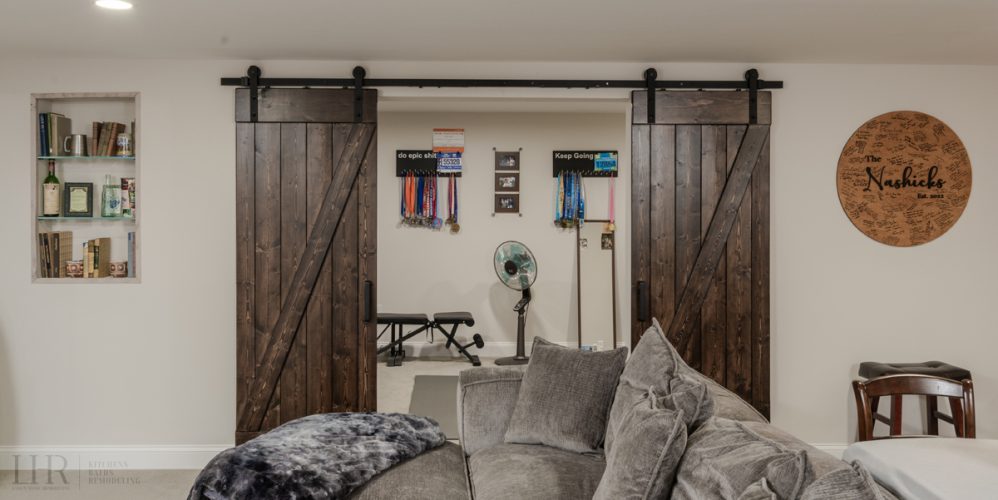
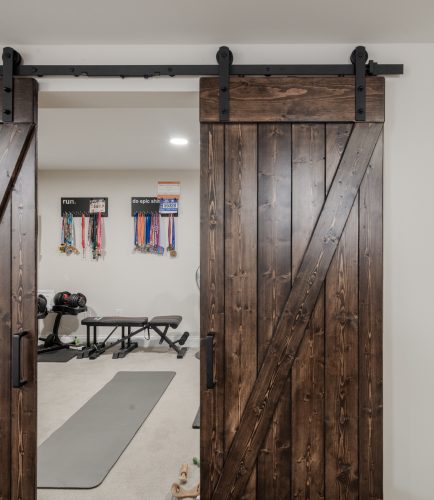
Flexible partitioning systems have become popular, allowing homeowners to create separate zones for cardio equipment, weight training, and recovery areas. Movable walls or sliding panels allow homeowners to reconfigure spaces according to their evolving fitness needs or to accommodate guests when the gym isn’t in use.
The multi-purpose approach extends to equipment selection as well, with homeowners investing in versatile machines that facilitate different types of workouts. Adjustable cable machines, configurable rack systems, and modular weight benches have replaced single-purpose equipment, maximizing the utility of limited space.
Homeowners also incorporate sports-themed elements into these spaces, including wall hooks, shadow boxes, or lockers specifically designed to store and display eye-catching custom basketball jerseys, blending function with personal style.
Soundproofing Innovations
Recognizing that noise can be a significant deterrent to home workouts, Bucks County homeowners are implementing sophisticated soundproofing solutions in their gym renovations. Professional-grade acoustic panels and sound-absorbing materials installed on walls and ceilings help to control noise. These elements often serve dual purposes, doubling as decorative features that enhance the overall design aesthetic.
Homeowners are selecting acoustic panels in custom colors and patterns that complement their gym’s color scheme. Floating floor systems have become standard in high-end home gym renovations, using rubber isolation pads to separate the gym floor from the subfloor. This prevents impact vibrations from weight training or cardio exercises from transferring to the rest of the house.
Door seals and specialized gym doors with additional insulation are also common additions, creating a more contained environment for sound. Some homeowners are investing in additional wall insulation or installing secondary walls with air gaps to further enhance sound isolation.
Design and Aesthetic Elements
Premium Flooring Solutions
Flooring choices in home gyms have evolved significantly beyond basic rubber mats. Homeowners are selecting specialized flooring options that balance durability with aesthetic appeal, creating surfaces that can withstand rigorous use while complementing the home’s overall design scheme.
These products offer the visual appeal of hardwood with superior moisture resistance and durability. Many homeowners are selecting lighter wood tones to create a more spa-like atmosphere in their workout spaces.
These specialized surfaces provide necessary impact absorption while allowing for personalized designs, including family names, motivational phrases, or custom color schemes that reflect the homeowner’s personal style.
For multi-purpose rooms, zoned flooring has become increasingly common. This approach uses different flooring materials in various areas of the gym based on the intended use – softer, more cushioned surfaces for stretching and bodyweight exercises, and more robust materials for equipment areas.
Mirror Installations
Mirrors remain a staple in home gym design, but their implementation in renovations has become more sophisticated. Beyond their functional purpose of allowing users to monitor form during exercises, mirrors now serve as key design elements that enhance the perceived size and brightness of workout spaces.
Full-wall mirror installations with minimal seams are the current preference, creating a sleek, seamless appearance. These installations often feature beveled edges or thin, elegant frames that add a touch of refinement.
Strategic mirror placement has become an art form in home gym design, with mirrors positioned to reflect natural light sources and create the illusion of larger spaces. This thoughtful arrangement maximizes both the functional and aesthetic benefits of mirror installations.
Built-In Storage Solutions
Organization has become a key focus in home gym renovations, with custom storage solutions helping to keep equipment easily accessible while maintaining a clutter-free space. These specialized cabinets include features like ventilated compartments for storing gym clothes, adjustable shelving for equipment of various sizes, and dedicated spaces for electronic devices used during workouts.
Wall-mounted storage systems have gained popularity for their ability to maximize floor space. These include custom racks for weights, resistance bands, and yoga mats, often designed to complement the room’s overall aesthetic.
Some homeowners incorporate hidden storage solutions behind mirrors or within wall paneling, maintaining a clean appearance while keeping equipment easily accessible. Integrated hydration stations and supplement storage areas have also become common features, eliminating the need to leave the workout space during training sessions.
Technological Enhancements
Smart Home Integration
Home gyms increasingly incorporate smart technology to enhance the workout experience and streamline facility management. Automated climate control systems specifically designed for workout spaces have become standard in high-end renovations.
These systems monitor temperature, humidity, and air quality, automatically adjusting settings to maintain optimal conditions throughout workouts. Some systems even integrate with fitness trackers to adjust environmental conditions based on the intensity of the workout being performed.
Connected fitness equipment is increasingly common, with homeowners selecting machines that integrate with their existing smart home ecosystems. Individuals with wearable fitness trackers get connected systems that provide comprehensive workout analytics by combining data from multiple sources.
Ventilation and Air Quality Improvements
Recognizing the importance of air quality in workout environments, homeowners are making significant investments in advanced ventilation systems for their home gyms. Dedicated air exchange systems can be installed to maintain optimal oxygen levels and remove excess carbon dioxide during intense workouts.
These systems operate independently from the main house HVAC, allowing for more precise control of the gym environment without affecting other areas of the home. High-efficiency air purification systems with HEPA filtration have become standard features, removing airborne particles and contaminants that can affect respiratory health during exercise.
Some homeowners are integrating UV-C light systems within their ventilation ducts to eliminate bacteria and viruses.
Temperature zoning systems allow for different temperature settings within various areas of the gym, accommodating different workout styles. For example, areas dedicated to high-intensity training might be kept cooler, while yoga or stretching zones maintain warmer temperatures for muscle flexibility.
Specialized Equipment Trends
Functional Training Zones
The shift toward functional fitness has influenced home gym design. Homeowners are creating dedicated spaces for movement-based exercises that improve overall fitness rather than focusing on isolated muscle groups.
Suspension training systems have become nearly ubiquitous in home gyms, requiring minimal footprint while offering hundreds of possible exercises. Customizable rig systems have replaced traditional weight machines in many home gyms, offering modular components that can be reconfigured based on the user’s needs.
These systems typically include options for pull-up bars, squat racks, dip stations, and attachment points for resistance bands or suspension trainers. Many homeowners are specifically designating areas with extra cushioned flooring for these activities, recognizing the importance of recovery and mobility work in a comprehensive fitness routine.
Recovery Spaces
Perhaps the most significant evolution in home gym design has been the incorporation of dedicated recovery areas. Homeowners are recognizing that effective fitness programs include proper recovery, leading to the creation of spa-like wellness zones within their home gyms.
Infrared sauna installations have become increasingly popular, with homeowners opting for compact units designed specifically for home use. Cold therapy options ranging from ice baths to specialized cooling systems are being incorporated into recovery zones. These features allow for contrast therapy – alternating between heat and cold – which many athletes use to accelerate recovery and reduce inflammation.
Dedicated stretching and meditation areas with appropriate flooring and ambient lighting create spaces for mental recovery alongside physical recuperation. These areas often include sound systems for guided meditation or relaxation exercises, creating a holistic approach to fitness and wellness.
Sports-Specific Customizations
For wrestling enthusiasts, home gyms now include dedicated mat areas with appropriate padding and surface materials. These spaces allow for practicing techniques and drills, with some homeowners even investing in competition-quality mats similar to those used in high school or collegiate settings.
Proper storage for workout gear and other specialized equipment is integrated into these areas, ensuring gear remains clean and readily available.
Golf simulators have become extremely popular in home gyms, allowing enthusiasts to practice their swing year-round regardless of weather conditions. These systems often include analysis software that provides feedback on swing mechanics and ball flight, creating a comprehensive training environment.
Basketball enthusiasts are installing adjustable height hoops with specialized flooring in larger gym spaces or connecting garages. These setups often include rebounding systems that return the ball to the shooter, allowing for efficient solo practice sessions.