
Here is a new blog post from a guest author contributing to Lang’s Home Remodeling’s website. All views expressed are those of the author.
Homeownership is both a personal investment and a financial one. While many upgrades are made with immediate comfort in mind, the most valuable improvements are those that serve both purposes – enhancing how you live today while strengthening your home’s appeal for the future. Strategic upgrades can improve daily functionality, reduce long-term costs, and increase overall property value in a meaningful way.
Whether you plan to stay in your home for years or eventually sell, focusing on thoughtful, high-impact upgrades can help you get the most out of your investment.
Prioritizing Energy Efficiency
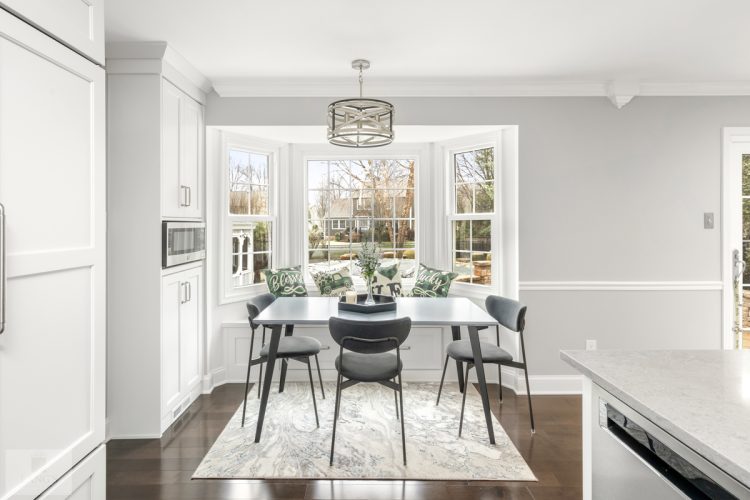
One of the most effective ways to improve both livability and long-term value is through energy-efficient upgrades. Homes that are designed to reduce energy consumption are not only more comfortable, but also more attractive to future buyers who are increasingly mindful of utility costs and environmental impact.
Upgrades such as improved insulation, energy-efficient windows, and modern HVAC systems can make a noticeable difference. These improvements help maintain consistent indoor temperatures, reduce drafts, and lower monthly energy bills. Over time, those savings can offset the initial investment while making the home more appealing in the marketplace.
Smart thermostats and energy-efficient appliances are also worth considering. These upgrades are relatively simple to implement but can significantly enhance convenience and efficiency. Buyers often view these features as added value, especially when they are integrated seamlessly into the home.
Designing for Functionality and Flow
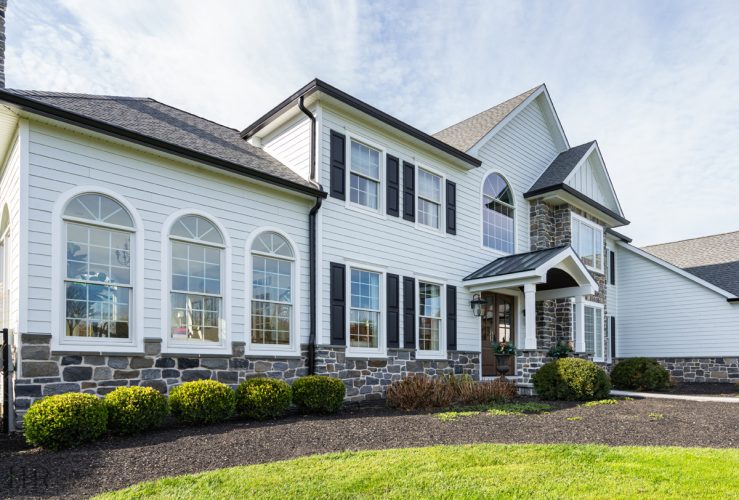
A home that works well day to day is one that people remember. Functional design plays a major role in both livability and resale value, as it directly impacts how comfortably a space can be used.
Open-concept layouts continue to be popular because they create a sense of space and make it easier to move between rooms. Even in homes where a full remodel isn’t feasible, small adjustments – such as removing unnecessary barriers or reconfiguring furniture placement – can improve flow and usability.
Storage is another key factor. Well-designed storage solutions help reduce clutter and make everyday living more manageable. Built-in shelving, organized closets, and multi-functional spaces can all contribute to a more efficient home environment. These features are especially appealing to buyers who are looking for homes that feel both spacious and practical.
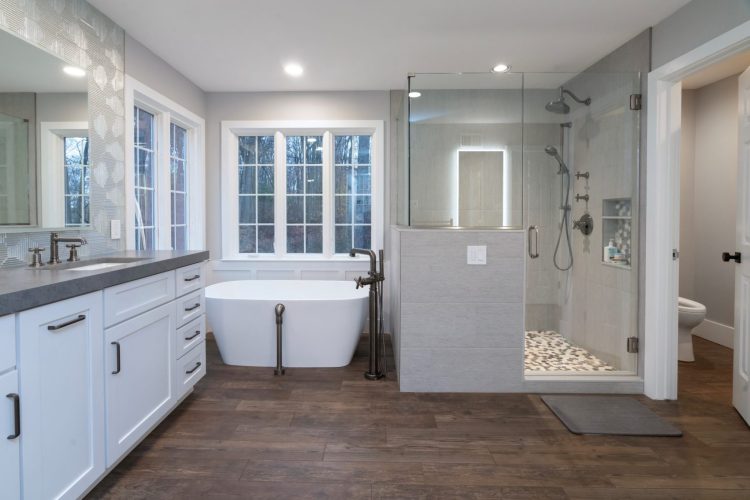
Kitchens and bathrooms are often the focal points of functional upgrades. Modernizing these spaces with updated fixtures, durable surfaces, and improved layouts can have a significant impact. Even modest updates, like replacing outdated hardware or upgrading lighting, can make these areas feel more current and inviting.
Investing in Durable Materials
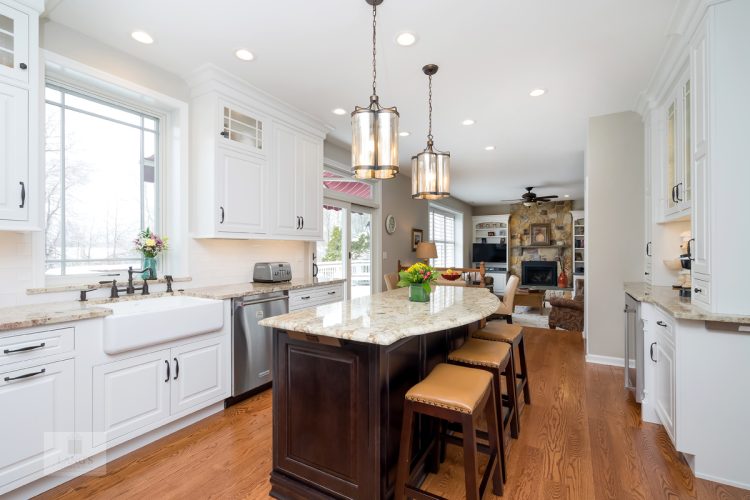
Durability is an often-overlooked aspect of home improvement, but it plays a critical role in long-term value. Materials that can withstand daily wear and tear not only maintain their appearance over time but also reduce the need for frequent repairs or replacements.
Flooring is a prime example. Options such as hardwood, luxury vinyl plank, and tile offer a balance of durability and aesthetic appeal. These materials are easier to maintain and tend to hold up better in high-traffic areas, making them a smart investment for both current living and future resale.
Similarly, exterior upgrades like siding, roofing, and entry doors can improve both the look and resilience of a home. These elements are often among the first things potential buyers notice, and their condition can influence perceptions of overall maintenance.
Choosing high-quality materials may involve a higher upfront cost, but the long-term benefits often outweigh the initial expense. Homes that are built or updated with durability in mind tend to retain their value more effectively.
Incorporating Modern Amenities
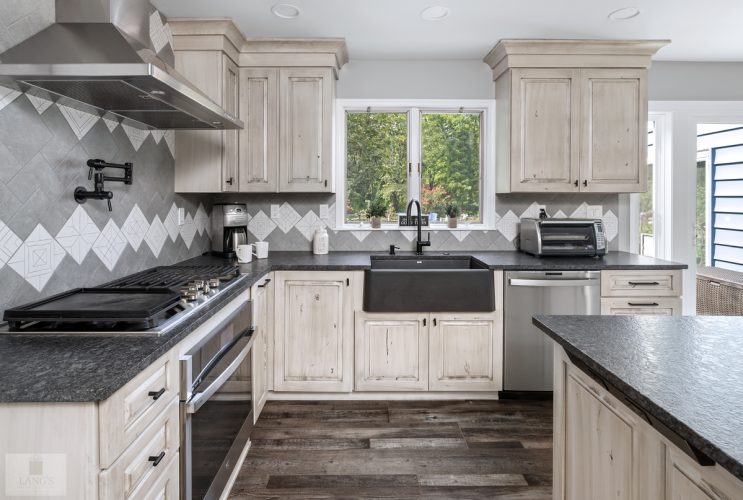
Today’s homeowners expect a certain level of convenience and comfort, and modern amenities can help meet those expectations while increasing property value.
Technology plays a growing role in this area. Smart home features, such as security systems, lighting controls, and automated locks, add both functionality and peace of mind. These upgrades can also differentiate your home in a competitive market.
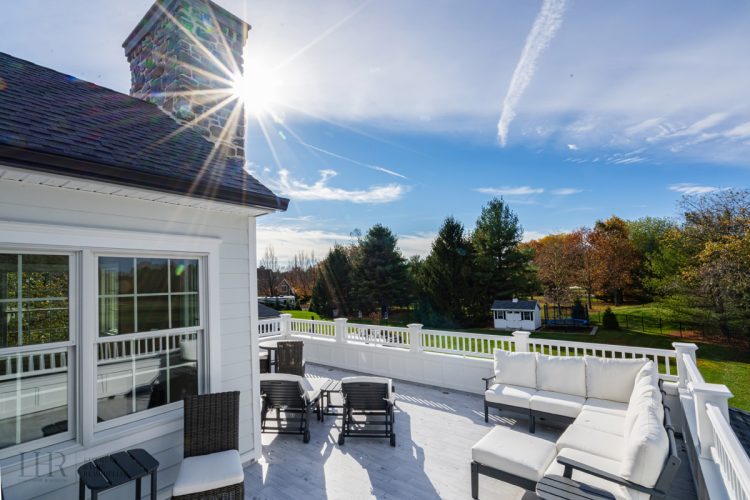
Outdoor living spaces have also become increasingly important. Decks, patios, and well-designed landscaping extend the usable area of a home and create opportunities for relaxation and entertainment. Even small outdoor improvements, such as improved lighting or seating areas, can enhance the overall living experience.
Additionally, flexible spaces that can adapt to different needs – such as home offices, workout areas, or guest rooms – are highly desirable. As lifestyles continue to evolve, homes that can accommodate a variety of uses are more likely to appeal to a broad range of buyers.
Thinking Ahead With Property Management in Mind
While many upgrades focus on personal use, it’s also important to consider how your home might function as an investment property in the future. Whether you plan to rent it out or simply want to maintain flexibility, incorporating elements that align with property management best practices can add long-term value.
For example, choosing low-maintenance materials and finishes can make a home easier to manage over time. Durable flooring, easy-to-clean surfaces, and reliable systems reduce the likelihood of frequent repairs, which is beneficial for both homeowners and potential renters.
Neutral design choices can also make a home more versatile. While bold, personalized styles may reflect your taste, more neutral palettes tend to appeal to a wider audience. This can make the home easier to market if you decide to sell or rent it later.
Working with professionals who understand property management can provide valuable insight into which upgrades offer the best return. Their experience with tenant preferences and market trends can help guide decisions that align with both current needs and future opportunities.
Balancing Comfort and Return on Investment
The most successful home upgrades strike a balance between personal enjoyment and financial return. While it’s important to choose improvements that enhance your daily life, it’s equally important to consider how those choices will impact your home’s long-term value.
Not every upgrade needs to be extensive or expensive. In many cases, a series of smaller, well-planned improvements can have a significant cumulative effect. The key is to focus on changes that add lasting value, whether through increased efficiency, improved functionality, or enhanced durability.
By approaching home upgrades with a long-term perspective, homeowners can create spaces that are both enjoyable to live in and well-positioned for the future. Thoughtful investments today can lead to greater comfort, reduced maintenance, and stronger property value over time.
Author bio: Matt Nelson is the Senior Vice President of Property Management and an Associate Broker at Excalibur Homes, LLC, a leading full-service property management company in Atlanta. He began leasing properties in 2005 and oversees a team that manages more than 1,500 single-family rental properties.
He earned a Bachelor of Business Administration in Finance from Kennesaw State University and is a graduate of the Realtor Institute.