
Here is a new blog post from a guest author contributing to Lang’s Home Remodeling’s website. All views expressed are those of the author.
The growing desire for a more authentic and welcoming home environment has led many homeowners to explore farmhouse-style elements, either as part of a full remodel or minor changes without committing to extensive renovations.
Modern interior design has evolved to embrace the warmth of farmhouse aesthetics through the strategic incorporation of natural materials, vintage elements, and textural layering.
By focusing on key design elements like neutral color palettes, vintage furniture pieces, and carefully curated accessories, homeowners can effectively transform their contemporary spaces into cozy retreats that blend modern functionality with timeless farmhouse charm.
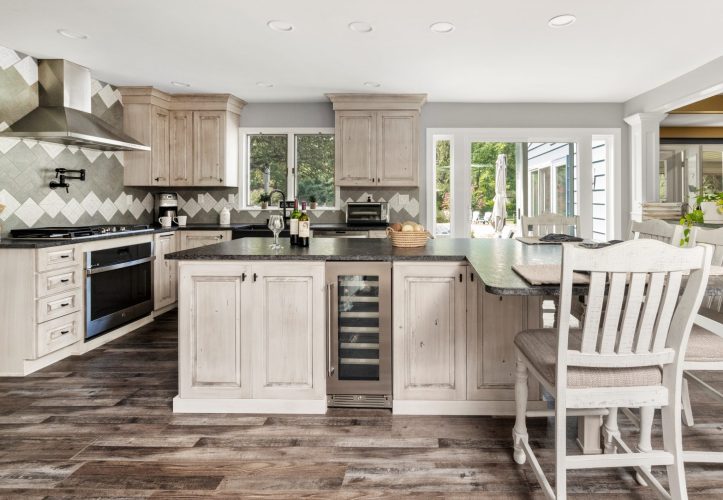
Neutral Color Palette for a Fresh Farmhouse Vibe
Modern homes can transform into cozy farmhouse retreats with the strategic use of neutral colors. Interior designers prefer neutral palettes when crafting farmhouse-inspired spaces.
A well-executed neutral color scheme creates visual harmony while making rooms appear more spacious and welcoming.
A balanced mix of whites, beiges, and grays establishes a timeless foundation that brightens any room.
These understated hues allow natural light to bounce freely, creating an open atmosphere that’s characteristic of authentic farmhouse design.
By layering different shades and textures within the same color family, you can add depth without compromising the clean aesthetic that makes the modern farmhouse style so appealing.
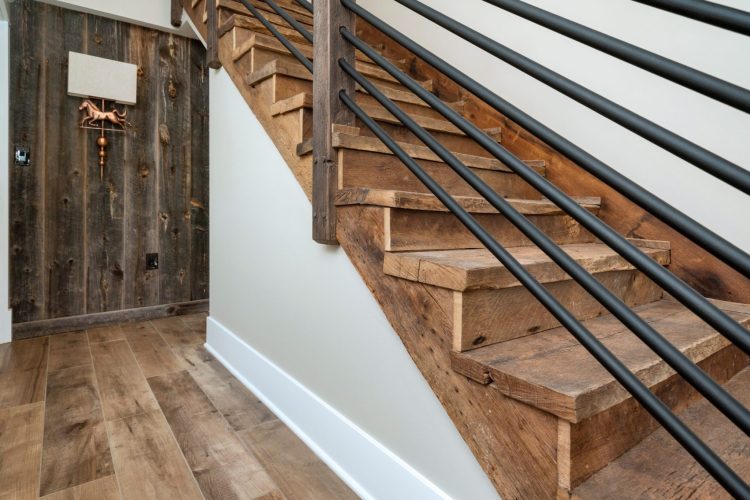
Key Strategies for Incorporating a Neutral Palette Effectively
The right furniture pieces play a crucial role in completing the neutral color story. A deep, comfortable sectional sofa in cream or light gray can serve as an anchor piece while maintaining the airy feel. The texture variations and subtle patterns in upholstery fabrics add visual interest without overwhelming the space.
Natural fibers and materials introduce organic elements that enhance the farmhouse’s authenticity.
Jute rugs, woven baskets, and raw wood finishes bring warmth to the neutral foundation. These elements create a sophisticated blend of modern simplicity and rustic charm, resulting in a space that feels both fresh and lived-in.
Bonus: For a unique farmhouse touch, consider incorporating reclaimed wood accents—whether through floating shelves, a statement coffee table, or exposed ceiling beams. These elements add a sense of history and character, making your space feel authentically cozy and curated. |
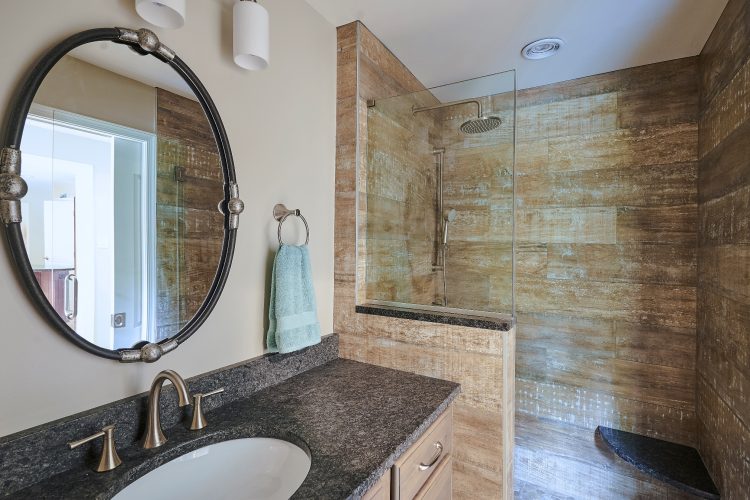
Incorporating Vintage and Functional Furniture
Homeowners who embrace farmhouse style typically incorporate at least one vintage furniture piece in their living spaces. The fusion of old and new elements creates an authentic, lived-in atmosphere while maintaining modern functionality.
Mixing reclaimed materials with contemporary finishes creates a balanced aesthetic that resonates with both traditional craftsmanship and current design preferences. The integration of industrial elements, such as striking aluminum plate accents, adds subtle modern touches to classic farmhouse pieces.
This strategic combination prevents the space from feeling overly rustic or outdated. The key lies in selecting furniture that serves both form and function, ensuring each piece contributes to the home’s practical usage while enhancing its visual appeal.
The success of mixing vintage and modern pieces relies heavily on maintaining a cohesive color palette. Neutral tones serve as the foundation, allowing both old and new elements to coexist harmoniously.
Second-hand furniture pieces often come with unique patinas and wear patterns that add character impossible to replicate with mass-produced items. Scale and proportion play vital roles when combining different furniture styles. A large vintage armoire can anchor a room while smaller contemporary accent pieces create visual balance.
To Do: Assess your existing furniture and identify pieces that can be upcycled or complemented with modern elements to enhance your farmhouse aesthetic. Start with small adjustments, like updating hardware or incorporating contrasting textures, to gradually achieve a cohesive look. |
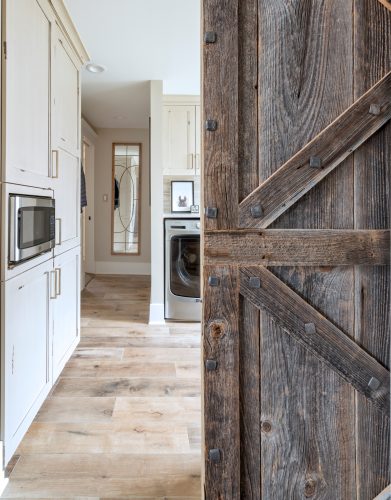
Textural Elements to Amplify Farmhouse Style
Natural textures in home decor can boost visual interest and comfort in living spaces, creating a welcoming environment that defines modern farmhouse aesthetics. Layering different textural elements throughout your home generates depth and character without requiring major structural changes.
The incorporation of natural materials plays a crucial role in creating an authentic farmhouse appeal. Raw wood elements, particularly those with visible grain patterns and weathered finishes, serve as foundational pieces that transform contemporary spaces into cozy retreats. Mixed materials like cotton, linen, and jute add tactile diversity while maintaining the casual elegance characteristic of farmhouse design.
Here are essential textural elements that can instantly add farmhouse charm to your modern home:
- Woven baskets and storage solutions made from natural fibers like seagrass or water hyacinth
- Chunky knit throws and cable-knit pillows in neutral shades of cream, gray, or beige
- Reclaimed wood floating shelves or wall-mounted storage displaying vintage finds
- Natural fiber rugs layered over existing flooring to define spaces
- Hand-woven tapestries or macramé wall hangings for vertical texture
- Grain sack fabric or burlap accent pieces for authentic agricultural touches
The strategic placement of textural contrasts enhances the overall design impact. Combining smooth painted surfaces with rough-hewn wood elements creates visual interest that draws the eye naturally through the space. Adding soft textiles like wool throws against leather furniture pieces establishes a balanced mix of textures that feels intentional rather than cluttered.
Incorporating these elements gradually allows for a thoughtful transformation that maintains the functionality of your modern home while introducing farmhouse charm. The key lies in selecting pieces that complement existing decor while adding layers of natural materials and textures that create a lived-in, collected-over-time appearance.
Why This Matters: Integrating rich textures into your home design not only enhances its aesthetic appeal but also fosters a sense of warmth and comfort. Thoughtfully layering natural materials allows you to achieve the timeless farmhouse look without compromising modern functionality. |
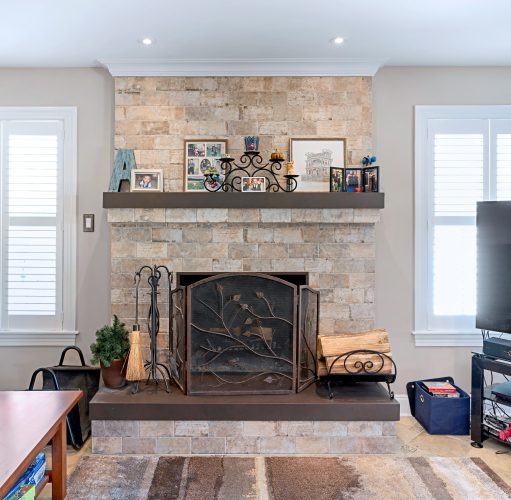
Country-inspired Decor and Accessories
Modern homes can easily embrace rustic charm through the strategic placement of country-inspired decorative pieces that blend seamlessly with existing contemporary features.
By selecting authentic materials and vintage-inspired items, you can create a warm, inviting atmosphere that captures the essence of pastoral living without compromising your home’s modern aesthetic. Natural textures, weathered finishes, and handcrafted elements serve as the foundation for this decorative approach.
Here are essential country-inspired decor pieces that can transform your modern space:
- Mason jar pendant lights or chandeliers featuring clear or frosted glass with brushed metal accents
- Galvanized metal containers and planters filled with fresh herbs or seasonal flowers
- Distressed wooden picture frames showcasing family photos or botanical prints
- Vintage-style enamelware in classic white with black trim for both display and practical use
- Hand-painted wooden signs featuring farm motifs or inspirational messages
- Woven baskets in various sizes for storage and visual texture
- Antique agricultural tools repurposed as wall art or conversation pieces
The key to successful farmhouse integration lies in balancing rustic elements with clean lines and modern functionality. Simple touches like displaying fresh-cut flowers in weathered milk bottles or arranging vintage cookbooks on open shelving can create a meaningful visual impact without overwhelming your space.
Natural materials play a crucial role in achieving authentic farmhouse charm. Raw wood, aged metal, cotton textiles, and ceramic pieces introduce organic textures that soften modern edges and create visual harmony.
These elements can be rotated seasonally to maintain fresh appeal while preserving the core aesthetic of your contemporary home.
Expert Tip: To create a cohesive farmhouse aesthetic, mix old and new elements by pairing rustic wood accents with sleek metallic finishes. This contrast enhances visual interest while maintaining a balanced blend of warmth and modern sophistication. |
Final Thoughts
Incorporating farmhouse elements into a modern home represents a significant design opportunity that balances contemporary functionality with timeless rustic charm.
Through the strategic implementation of neutral color palettes, vintage furniture pieces, natural textures, and country-inspired accessories, along with rustic cabinetry, wood countertops, and more, homeowners can easily achieve an authentic farmhouse aesthetic.
The success of this design approach lies in thoughtful curation, allowing each element to contribute meaningfully to the overall atmosphere while maintaining the home’s modern conveniences.