
Here is a new blog post from a guest author contributing to Lang’s Kitchen & Bath’s website. All views expressed are those of the author. We hope you find this topic helpful!
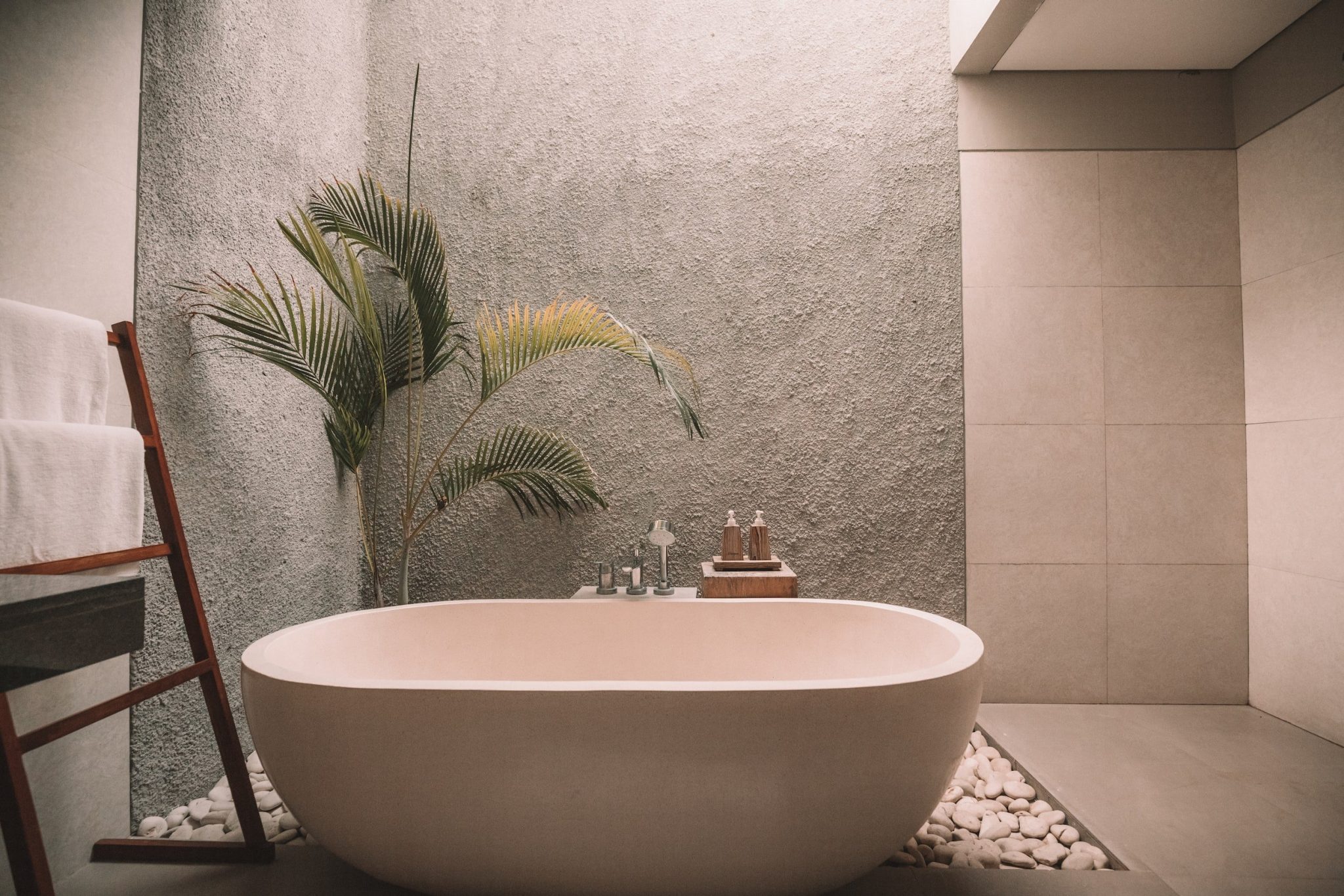
Freestanding bathtubs have become increasingly popular in recent years for their elegance, particularly their timeless look and ability to create a spa-like atmosphere in the bathroom. However, it’s crucial to take into account the accessories that can be matched with a freestanding bathtub in order to genuinely improve the overall bathroom experience.
There are several accessories available that can improve the standalone bathtub’s operation and overall appearance. The six different freestanding bathtub accessory types will be covered in this article.
Understanding the different freestanding bathtub accessories can help create a useful and beautiful area, whether you’re designing a bathroom, remodeling, or just freshening up your current bathroom.
Types of Freestanding Bathtub Accessories
1. Shut-off valves
The shut-off valve is one of the most crucial plumbing components for a freestanding tub. The water flow to the tub is managed by this valve. Usually, it is positioned between the tub and the primary water supply.
The shut-off valve is a crucial component of the plumbing for a freestanding tub, and it allows the user to turn the water on and off as needed. It also makes repairs and replacements simple. Shut-off valves come in a variety of designs and components, such as brass, chrome, and plastic.
They can be installed in many places, including the basement, crawlspace, and the wall next to the bathtub. To guarantee the water supply is pure and safe, some shut-off valves also incorporate extra features like built-in filters or pressure regulators.
It is essential to check that the shut-off valve is the right size and compatible with the plumbing for a standalone tub before installing it. Additionally, the valve can be set up in an accessible area. Before utilizing the tub, it is also crucial to test the valve to make sure it functions properly.
2. Faucets
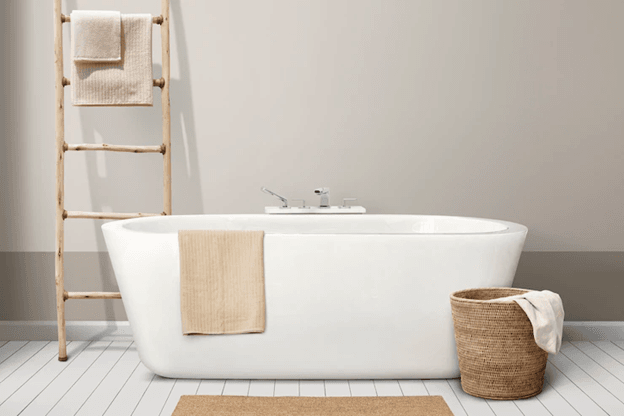
For a standalone bathtub, faucets and showerheads are necessary extras. They contribute to the overall appearance of the bathroom while also serving the functional goal of offering water flow and temperature regulation.
There are numerous choices accessible when it comes to freestanding bathtub faucets. The bathtub is equipped with deck-mounted faucets. Freestanding faucets are also installed on the floor adjacent to the bathtub at the same time. Although wall-mounted faucets are similarly functional, freestanding faucets are more common.
Because they are simple to install and offer a sleek, modern appearance, deck-mounted faucets are the most popular option for freestanding bathtubs. Since the controls are positioned right on the faucet, they also provide you with better control over the water flow and temperature. They do, however, need holes to be drilled into the bathtub for installation, which may be a downside for some.
Freestanding faucets, in contrast, don’t necessitate making holes in the bathtub. In front of the bathtub, they are installed on the floor. They come in a variety of shapes and finishes and give the bathroom a distinctive, exquisite appearance. However, compared to deck-mounted faucets, they may be more difficult to install and may require more floor space.
3. Showerheads
There are numerous alternatives available when it comes to showerheads as well. More versatility is offered by handheld showerheads because they can be used for both washing and cleaning.
Showerheads that are fastened to the wall are normally solely used for rinsing. Showerheads with waterfalls offer an opulent, spa-like sensation and a sleek, contemporary appearance.
When selecting a showerhead, it’s crucial to also take the water flow rate into account. The flow rate is measured in gallons per minute (GPM), and a lower flow rate showerhead can help save on water consumption.
4. Bathtub caddies
A popular addition to freestanding bathtubs is bathtub caddies. They offer a practical and relaxing method to enjoy bath time. These holders are made to fit on the bathtub rim and offer a surface for carrying necessities like a book, wine glass, or tablet.
Bathtub caddies are available in a variety of designs and materials, such as metal, bamboo, and wood. Some caddies come with extra features like integrated lights, wine containers, or extendable trays to fit larger things.
One of the main advantages of bathtub caddies is that they offer a relaxing and practical method to spend bath time. They make it possible for you to have everything you require at your fingertips, removing the need for you to get out of the bathtub to get stuff. This can improve bathing in general and make it more pleasurable.
Bathtub caddies also give the bathroom a hint of opulence and elegance. In order to create a tranquil and spa-like ambiance, they can hold candles, flowers, or other ornamental things.
The dimensions and shape of your bathtub must be taken into account while selecting a bathtub caddy. While some caddies are specifically made for a particular size or shape of bathtub, others are flexible and can accommodate a wide range of bathtub sizes. The caddy’s materials and finish should also be taken into account because they have an impact on the bathroom’s overall appearance and atmosphere.
The strength and stability of the caddy are two additional crucial factors to take into account. Some caddies have better resistance to warping or rusting because they are composed of materials that can endure moisture, heat, and humidity. The caddy must also be solid enough to support the things without tipping.
In addition, keep in mind that the bathtub caddy can also be used as a storage space. Some caddies have shelves or compartments holding soap, shampoo, and other bath essentials.
