
Designing Homes That Feel Good to Live In
A home should do more than look attractive in photographs. It should feel comfortable, welcoming, and personal to the people who live there. From a kitchen design that brings family and friends together to a living room that provides a place to unwind, thoughtful design can make everyday experiences more enjoyable.
The most satisfying interiors reflect your interests, experiences, favorite colors, and daily routines rather than following every passing design trend. Designing for joy means making intentional choices that create spaces people genuinely enjoy using and spending time in.
In kitchen design, bathroom design, and multi-space home remodeling, this could involve introducing a favorite color, creating a statement feature, displaying meaningful artwork and collections, or blending vintage pieces with modern finishes.
Successful home design also balances self-expression with functionality, visual cohesion, and long-term appeal. The goal is not to fill every room with bold features or follow a particular style, but to create a home that feels authentic while supporting your everyday needs. With the right approach, you can make design choices that reflect your personality and stand the test of time.
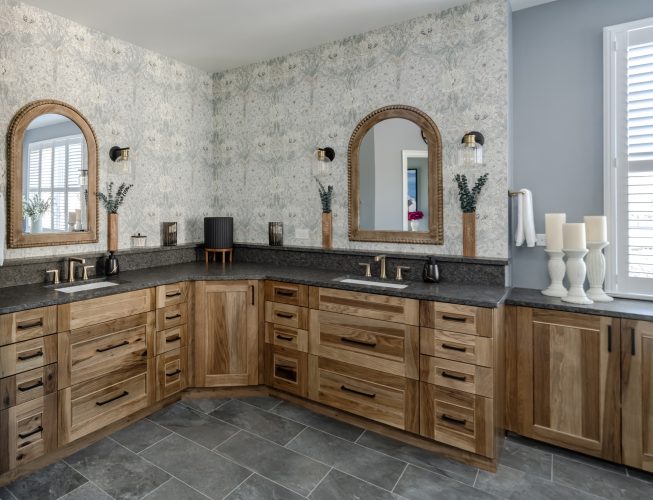
Why Personalization Matters More Than Trends
While design trends are great for providing inspiration, they should not dictate every decision in a home. Your personal preferences influence the details that make your space feel comfortable and uniquely your own, such as:
- A kitchen layout that supports family meals and entertaining.
- A living room arranged for conversation, reading, or relaxing.
- A bathroom with finishes and features that make daily routines easier and more enjoyable.
- Color schemes, seating arrangements, and accessories that fit your personal tastes and lifestyle.
Identify what you genuinely like and what fits your home rather than choosing materials or colors simply because they are popular. Start by creating a collection of inspiration images, either online or go old school with photos. Take note of recurring colors, materials, patterns, and design details that you love and use these as your starting point.
Consider the design features that fit how you live today while also accommodating your needs for the lifespan of the remodel.
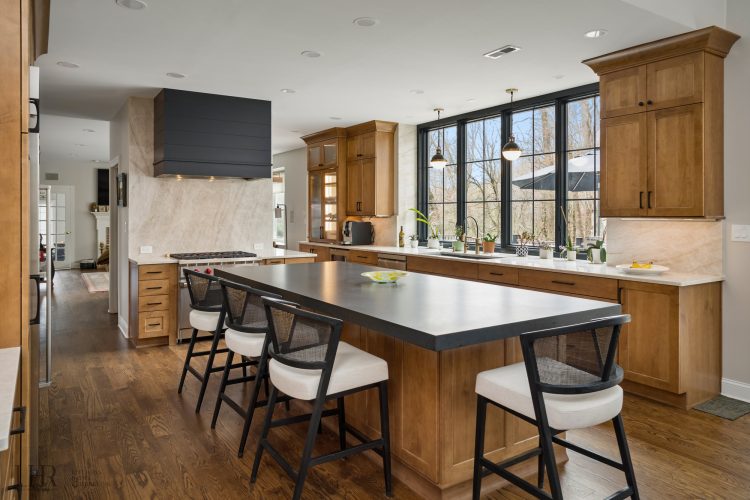
Using Color with Confidence
Color is one of the most accessible ways to bring personality and energy into your home. You can introduce color in many ways, including key features like cabinetry or a kitchen backsplash, or in more easily updated features like wall paint and accessories. Choose colors with intention to set the mood for your space, link connected spaces, or make a room feel bigger or cozier.
Complementary colors and repeated accents help create continuity between rooms, such as a connected kitchen and living room. Consider natural light when choosing your color scheme, as well as the room size, existing finishes, and the mood you want each space to evoke.
Test paint samples and material combinations in the room where you plan to use them before making permanent decisions. Look at them in different lighting throughout the day, as changing natural light can affect the way your color scheme appears.
Create a balanced effect with your chosen colors. For example, you could pair neutral walls with colorful accessories or soft furnishings. Introduce color with painted cabinetry, such as a bold vanity or kitchen island. Give your room a saturated feel with deep wall colors that create a warm, cocooning effect. Think about your own style and what works for your family and home.
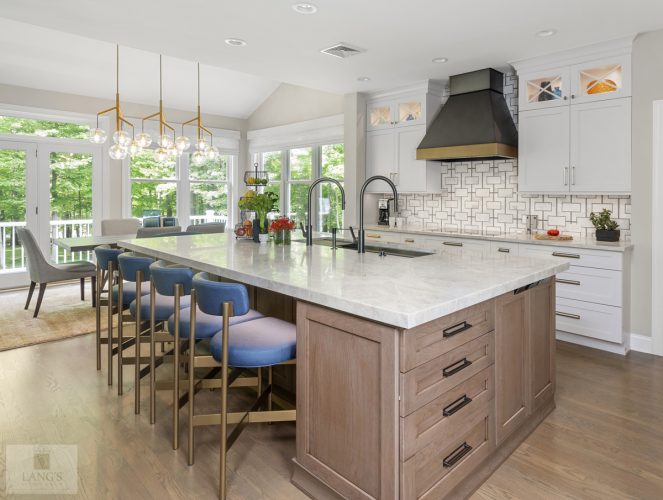
Statement Walls and Focal Points
Creating a strong focal point can give a room character and help organize the overall design. Think about including a statement feature, such as:
- A fireplace surround with distinctive stone, tile, or architectural detailing.
- A kitchen island that contrasts with surrounding cabinetry.
- A dramatic backsplash that introduces color, texture, or pattern.
- Decorative wall treatments, built-in shelving, or distinctive mill work.
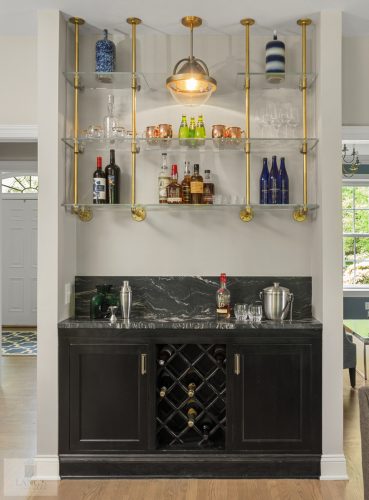
Select one primary feature that draws attention without competing with too many other elements of your design. Focal points can be both decorative and functional, such as custom glass front cabinetry that displays favorite objects while providing useful storage. This is a great way to introduce color to your space, such as displaying colorful dishes or glassware.
When planning a focal point, consider all sightline and how your design feature relates to the room’s layout and adjoining spaces.
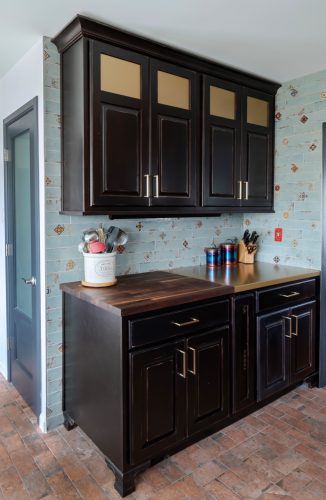
Mixing Vintage Pieces with Modern Design
Carefully combining different periods and styles in one room lets you create interiors that feel layered rather than overly coordinated. This gives your space a lived-in, inviting feel that lets you preserve family history and personal memories while updating the function and appearance of your home.
You could pair contemporary cabinetry and clean-lined furniture with vintage mirrors, antique side tables, inherited furniture, or traditional decorative accessories. To create a balanced design, choose a few meaningful vintage pieces instead of filling a room with unrelated items. Remember that older furnishings may need refinishing, reupholstering, or thoughtful placement to work within a modern, lived-in space.
Displaying Personal Collections and Artwork
We all have personal items that are meaningful to us or invoke happy memories, and these should be incorporated into your home’s design. Art, photographs, travel souvenirs, books, and personal collections can make a home feel uniquely your own. There are plenty of ways to display these items without overwhelming your space, such as:
- Create a gallery wall using artwork, family photographs, and varied frame styles.
- Use open shelving or built-ins to showcase favorite objects.
- Display a few meaningful pieces on a mantel, console, or kitchen shelf.
- Incorporate artwork into unexpected spaces, such as hallways or bathrooms.
Create a sense of cohesion by grouping items by color, subject, material, or theme within a room. If you have a lot of well-loved items to display, you could rotate objects periodically, so collections remain interesting without overwhelming the room. Consider your room’s lighting and appropriate storage for the items you want to display help protect, organize, and highlight treasured belongings.
Avoiding Over-Design
Adding personality to your kitchen or bathroom design, living room update, or whole home remodel does not mean every surface needs a statement feature or every room needs a unique style. When planning a home remodel, consider prioritizing a few favorite elements and giving them space to stand out in your room.
Create visual balance in your room by using consistent materials, repeated colors, and complementary finishes. Leave some open surfaces and uncluttered areas so rooms remain functional and comfortable. Careful curation of items to display or featured focal points often makes meaningful objects and distinctive design features more noticeable, rather than overloading your room’s design.
Remember to express your personal style in a home remodel while also future-proofing your design. Think about how long you plan to stay in your home, how you will use the space over the lifespan of the remodel, and what your household will look like during that time.
If you don’t want to commit to bold colors or styles, consider a neutral base and then layer colors, textures, and personal items on as decorative accessories.
How Lang’s Helps Clients Express Their Style
Lang’s Home Remodeling is a local, trusted, and experienced design-build remodeling team that helps homeowners translate their ideas into practical, personalized spaces. Our collaborative design and remodeling process helps clients identify priorities and make informed design decisions about layout, materials, finishes, and architectural details.
We use our proven design process and extensive knowledge to help clients consider the whole room and how it works with adjacent spaces, rather than selecting individual products in isolation.
Professional design planning with the Lang’s team can help you balance distinctive design choices with practical essentials like storage, traffic flow, durability, and everyday functionality.
The Lang’s Home Remodeling team works on kitchens, bathrooms, basements, additions, and whole-home remodeling projects, making it possible to create a cohesive look across multiple spaces.
Plus, we are a local business and local residents, so we understand the area’s unique mix of architecture and styles and can help you create the perfect design to elevate your home.
FAQs About Personalized Home Design
- How can I make my home feel more personal?
Incorporate favorite colors, meaningful artwork, family heirlooms, and collections. Choose layouts and finishes that support your routines and reflect your individual style.
- How can I add color without overwhelming a room?
Start with a neutral foundation and introduce color through an accent wall, cabinetry, tile, artwork, or accessories. Repeat selected colors to create cohesion.
- Can I mix modern and traditional design styles?
Yes. Pair contemporary finishes and clean lines with vintage furniture, traditional details, or treasured objects. Repeating colors and materials through the space helps to unify the design.
- How do I personalize my home while maintaining resale appeal?
Keep flexibility in mind when choosing permanent finishes, and express your style through paint, lighting, artwork, hardware, and other details that are easier to update.
- Can a remodeling project help my home better reflect my style?
Yes. A planned remodeling project can update layouts, finishes, storage, and architectural details to better align your home with your preferences and daily needs.
Create a Home That Feels Unmistakably Yours
A home that sparks joy isn’t defined by a particular trend, color palette, or decorating style. It’s shaped by the people who live there, the things they love, and the way they use their spaces every day. Whether you’re introducing a favorite color, displaying meaningful artwork, or rethinking a room’s layout, thoughtful design choices can make your home feel more personal and enjoyable.
You don’t have to transform your entire home at once. Start with one room, one favorite feature, or one change that would make everyday life a little better. With the right planning, you can create spaces that reflect your personality while balancing comfort, functionality, and lasting appeal.
Ready to create a home that feels unmistakably yours? Contact Lang’s Home Remodeling to discuss your ideas and explore how a personalized remodeling plan can bring your vision to life.