
Here is a new blog post from a guest author contributing to Lang’s Kitchen & Bath’s website. All views expressed are those of the author.
In today’s busy world, our homes are more than just places to sleep; they are sanctuaries, workspaces, and entertainment hubs. With the growing need for flexibility, it’s essential to design a space that can adapt to various daily needs. The right design elements can make your home feel both calming and functional, creating balance in your daily life.
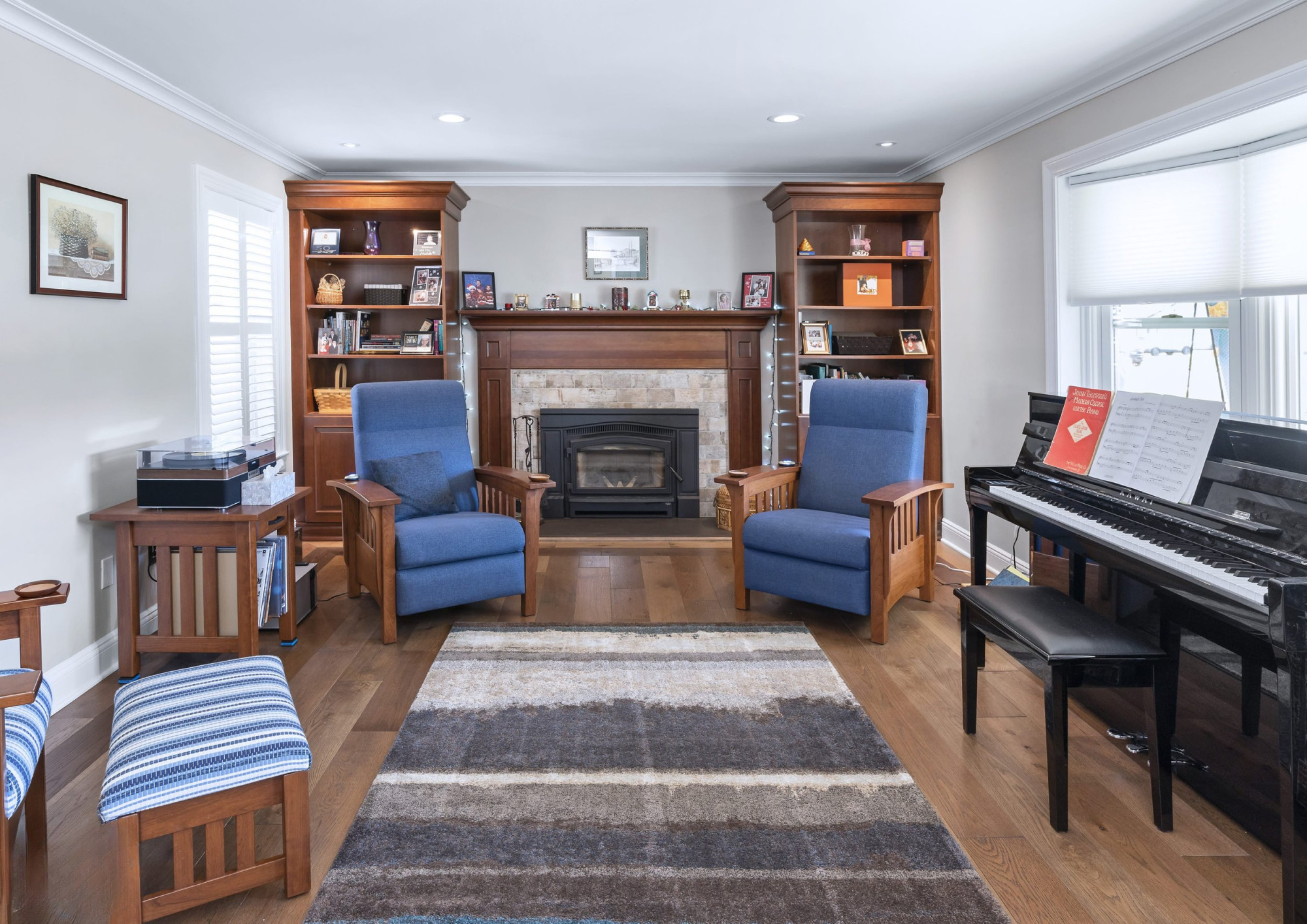
Designing a space that blends relaxation with productivity begins with prioritizing versatility and comfort. Adaptable furniture, smart storage, and thoughtful layouts allow your home to serve multiple purposes without sacrificing style.
By choosing pieces that are both functional and aesthetically pleasing, you can create an environment that’s inviting and conducive to work. Here’s how to achieve a calming, multipurpose space that’s ready for anything.
Furniture That Balances Comfort and Function
The furniture you choose defines how your space feels and functions, influencing both the aesthetic and the practical flow of your home. When designed with both comfort and utility in mind, each piece can seamlessly transition between different uses, allowing you to maximize the potential of every room.
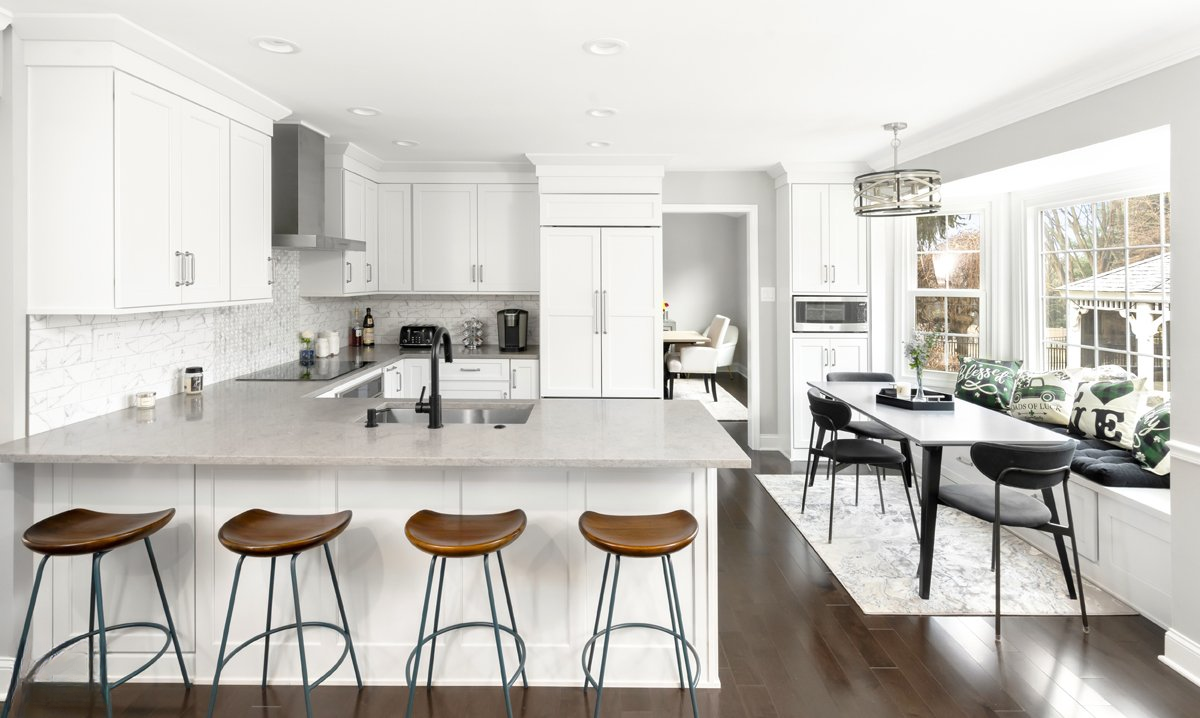
From cozy seating areas perfect for relaxation to multi-functional pieces that adapt to work or entertaining, thoughtful furniture choices create a dynamic environment. Prioritizing comfort ensures that your space remains inviting and pleasant, while versatile designs offer practical solutions without sacrificing style.
By selecting pieces that blend form and function, you create a harmonious space that works for you and enhances your daily life.
Adaptable Furniture for Modern Seating
Incorporating furniture options for flexible seating and adjustable tables ensures your space can accommodate guests or adapt for different activities, from family gatherings to quiet evenings.
Prioritize Multifunctionality
Select modular furniture that can adapt to different scenarios. For example, a sectional sofa can be rearranged for casual lounging or group seating. Look for ottomans or coffee tables with built-in storage to reduce clutter while serving multiple purposes.
Integrate Work-Friendly Options
A compact desk or fold-out console table can double as a workspace when needed. Pair it with an ergonomic chair that blends into your decor for comfort and style.
Smart Storage Solutions
A clutter-free environment is essential for relaxation and functionality. Smart storage solutions keep essentials organized while preserving the aesthetic appeal of your space. Consider also using attachments like versatile pallet forks for heavy-duty tasks that can help you organize larger items in garages or outdoor spaces, keeping your indoor relaxation area clutter-free.
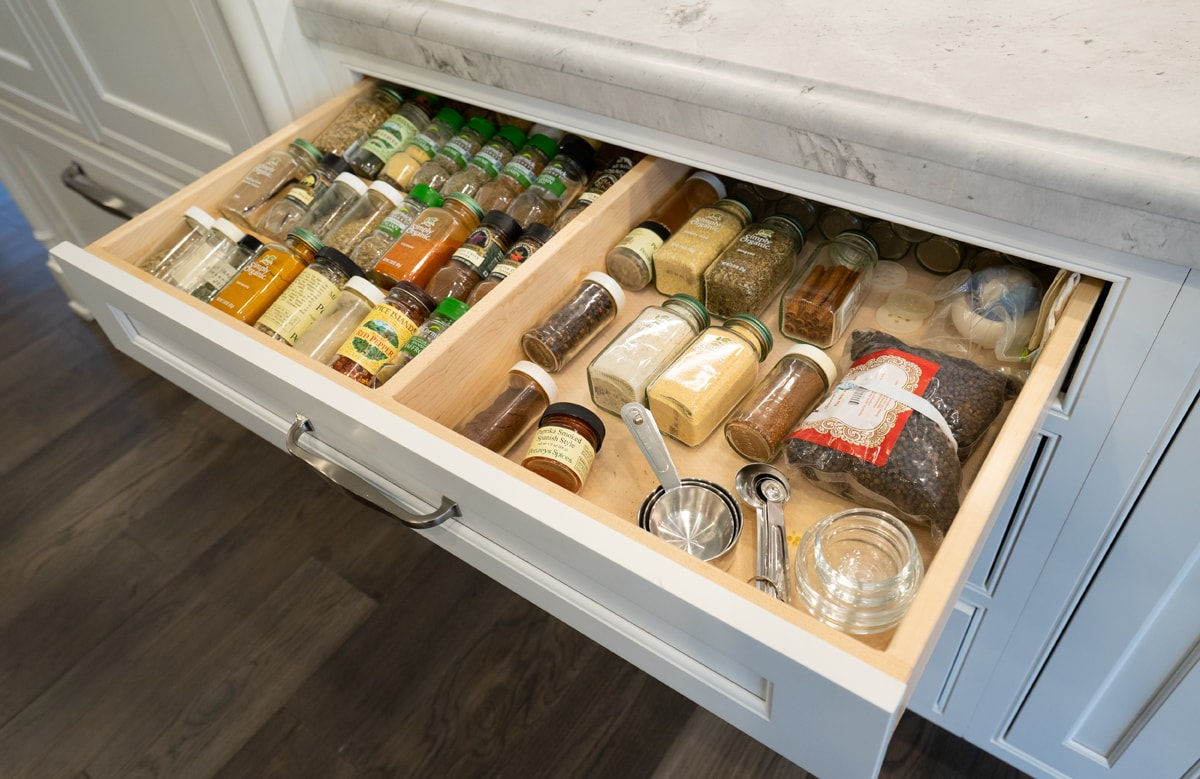
Keep Clutter at Bay
A clean, organized space is vital for relaxation. To keep essentials tucked away, use furniture with hidden storage, like lift-top coffee tables or storage ottomans.
Maximize Vertical Space
Built-in shelving, wall-mounted cabinets, or floating shelves provide ample storage without sacrificing floor space. Combining open and closed storage options balances aesthetics and practicality.
Stylish Containers for Small Items
Decorative baskets or boxes are perfect for storing smaller items. Choose designs that complement your decor for a cohesive look while maintaining functionality.
Action: Take inventory of the items you need to store in your multifunctional space. Categorize them by frequency of use and size. This will help you determine the most effective storage solutions for your specific needs.
Consider Lighting as a Design Element
Lighting sets the mood and enhances functionality. Opt for floor lamps with adjustable arms or dimmer switches for versatile use. Table lamps with USB ports combine ambiance with practicality, which is ideal for charging devices without adding clutter.
Organizing Multipurpose Spaces with Defined Zones
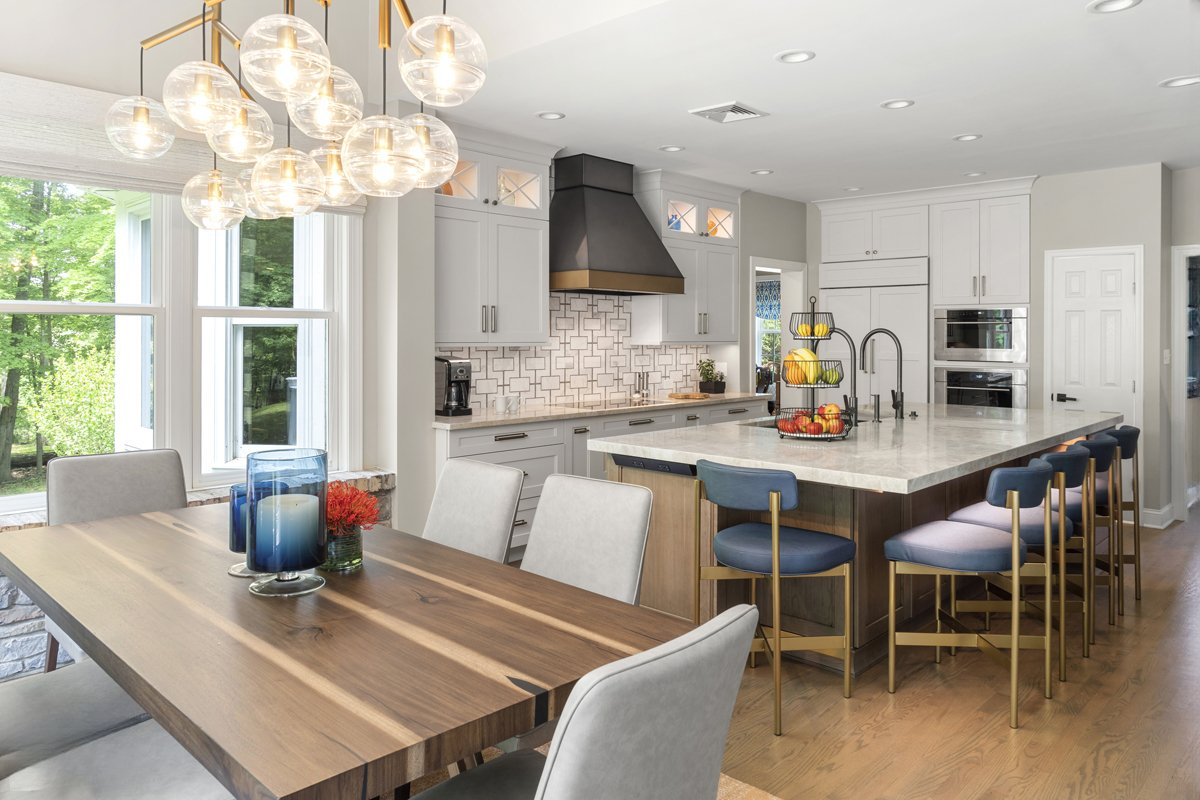
Creating zones within your living area ensures every activity has its place while maintaining an overall sense of harmony. With thoughtful design, you can divide your room into functional areas that feel distinct yet cohesive.
By using elements such as furniture arrangement, rugs, lighting, and color schemes, each zone can serve a unique purpose—whether it’s a space for relaxation, work, dining, or entertainment.
This approach helps to eliminate clutter and enhances the flow of the room, allowing each area to be utilized efficiently. Additionally, thoughtful zoning can guide the eye across the space, making it feel balanced and organized while still preserving a sense of openness. Ultimately, zoning creates an inviting atmosphere where the room serves both practical and aesthetic needs.
Create Dedicated Activity Areas
Divide your space into zones for relaxation, work, entertainment, or hobbies. Use furniture placement, area rugs, or tall plants to separate these areas while maintaining an open flow visually.
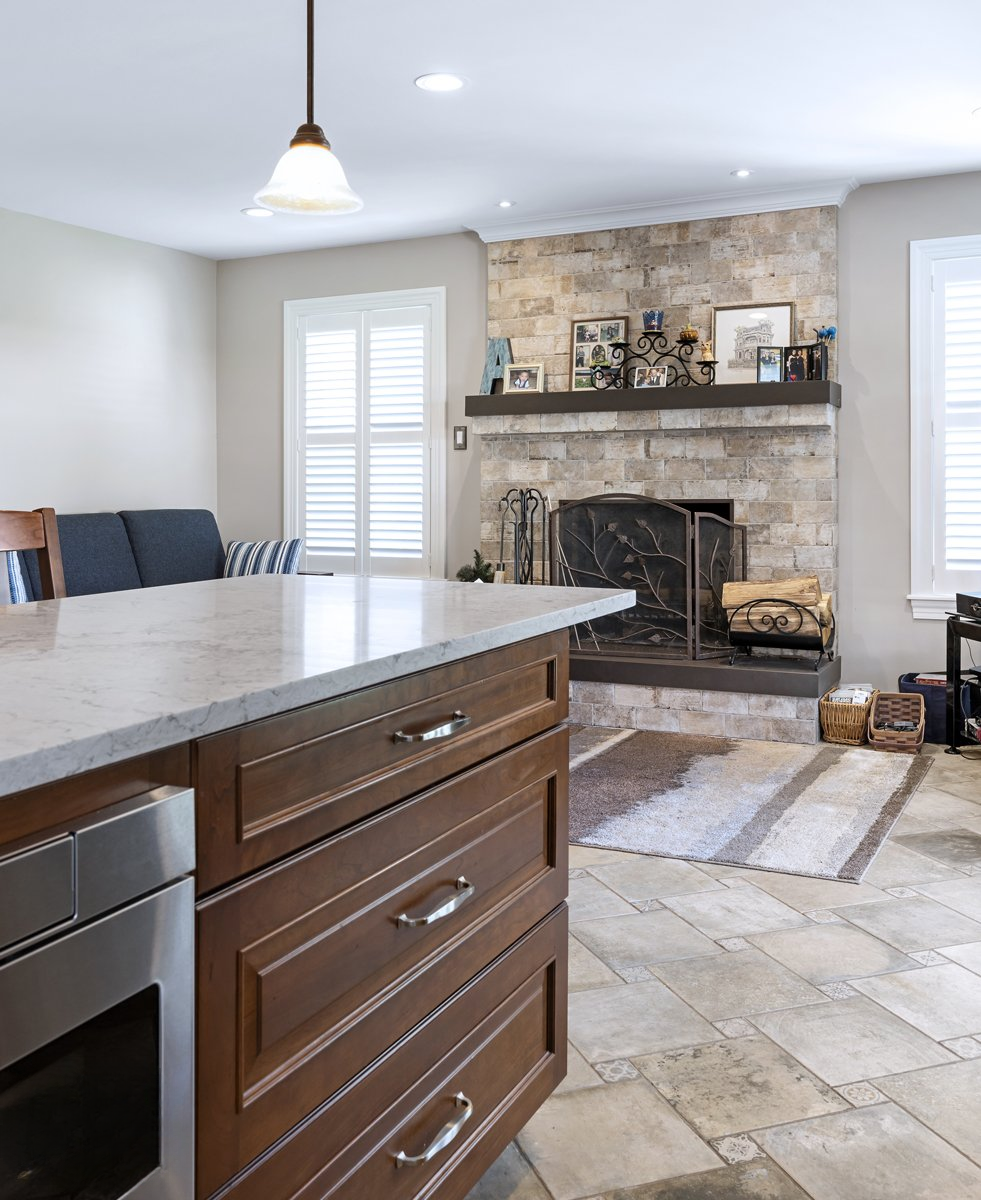
Relaxation Zone: Arrange comfortable seating around a focal point like a fireplace or window. Add soft textures and cozy lighting for a tranquil vibe.
Work Zone: Use a compact desk and room divider or shelving unit to carve out a focused workspace.
Entertainment Zone: Anchor this area with a media unit and flexible seating that accommodates guests.
Maintain Visual Continuity
Ensure consistency across zones by adhering to a cohesive color scheme and complementary decor elements. Layer lighting types—ambient, task, and accent—to create the right mood for each zone.
Selecting the Right Color Palette for Flexibility
Color significantly impacts mood and energy, making it a critical element in creating a calming yet adaptable space. The right palette can establish a serene atmosphere while ensuring your room remains flexible for various needs.
Start with Neutral Bases
Neutral colors such as soft whites, warm beiges, and light grays create a calming backdrop while making spaces feel open and adaptable. These tones pair effortlessly with various styles and functions, setting the stage for a multifunctional room.
Add Flexible Accents
Incorporate soothing hues like muted blues, greens, or lavenders to enhance relaxation. Use these colors sparingly in items like removable wallpaper, throw pillows, or artwork, allowing for easy refreshment of the room as needs change.
Tip: Follow the 60-30-10 rule for your color palette: 60% dominant color (usually neutral), 30% secondary color, and 10% accent color for a balanced, harmonious look.
Design Tips for a Versatile Haven
Crafting a space that balances relaxation with functionality requires careful planning and creative thinking. These additional tips can help you create a home that adapts to your needs with ease.
Focus on Adaptability
Choose pieces and solutions that can easily transition between functions. For example, a dining table can double as a crafting station, while portable room dividers can transform layouts quickly.
Embrace Seasonal Updates
Refresh your space effortlessly by swapping out throw pillows, curtains, or artwork to reflect different seasons or moods.
Plan and Experiment
Don’t hesitate to test different layouts, furniture arrangements, or storage setups until you find the perfect balance of form and function.
Your Dream Space Awaits
Designing a relaxing yet versatile space is about balancing tranquility with practicality. By selecting a neutral color palette, investing in multifunctional furniture, incorporating smart storage solutions, and organizing distinct zones, you can create a home that adapts seamlessly to your needs.
With thoughtful planning and a willingness to experiment, your living space can become a personalized retreat that empowers you to unwind and tackle life’s challenges—all in one place.